01
MATERIAL
What Is It Made From?
We begin by understanding the leather, its finish, weight, grain and existing character.
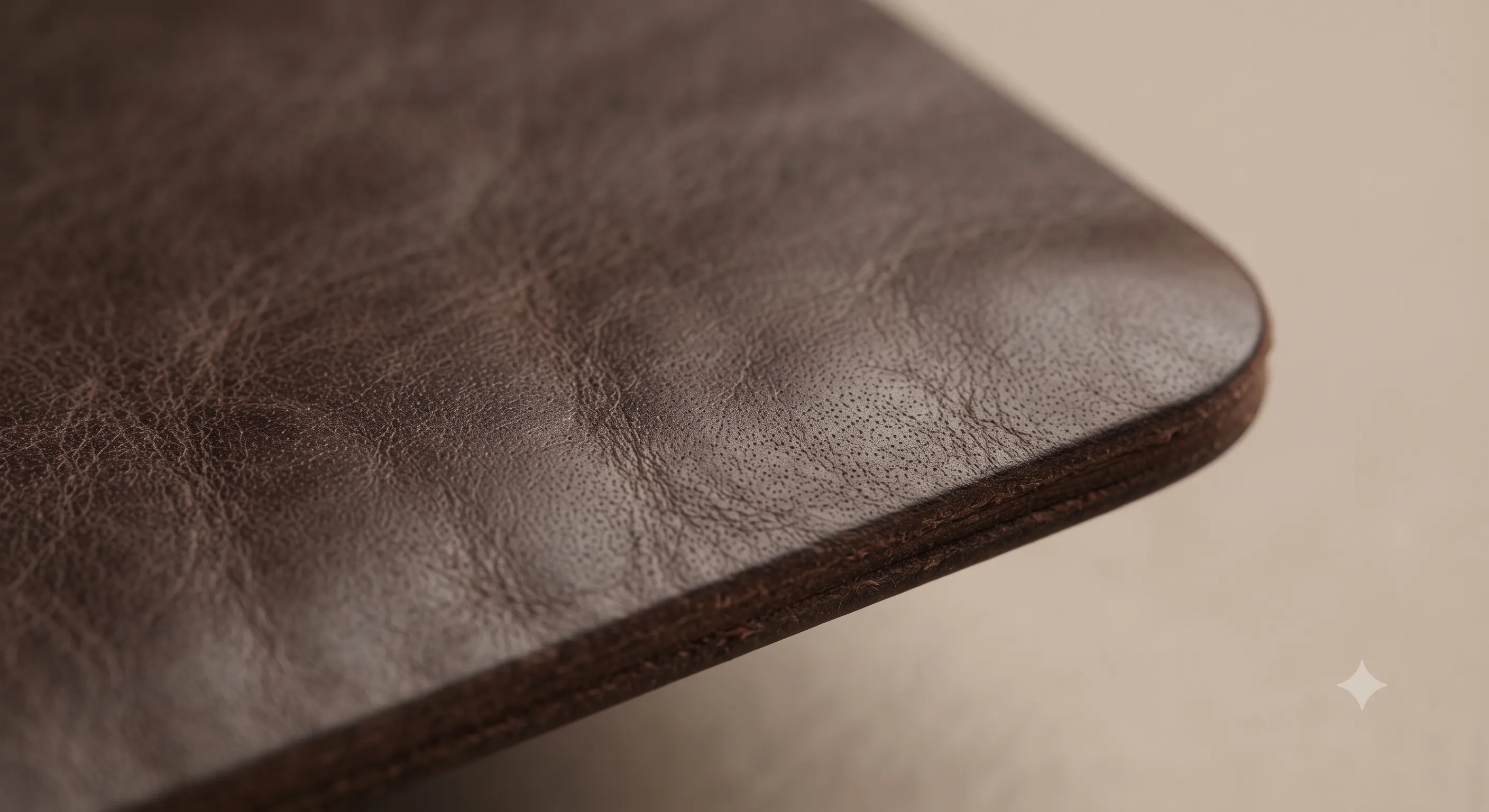
We believe leather restoration is a conversation between past character and future use. Our Ahmedabad studio provides careful assessment, considered leather repair, and bespoke preservation to ensure your piece continues its journey.
The leather, its construction, its age, its condition and the way it has been used all influence what can — and should — be restored.
The leather itself comes first. Its grain, finish and character help determine the approach.
Wear is considered carefully. Not every mark needs to be removed.
The original construction helps inform what can be restored.
Restoration begins with understanding what is appropriate for the piece.
Sometimes the most considered restoration is knowing what to leave untouched.
RESTORE WHAT NEEDS RESTORING. PRESERVE WHAT MAKES IT DISTINCT.
FIRST, WE UNDERSTAND THE PIECE
Every piece carries its own history. Its material, construction, condition and signs of use help determine what restoration may be appropriate.
We begin by understanding the leather, its finish, weight, grain and existing character.
The original construction helps us understand how the piece was assembled and where intervention may be appropriate.
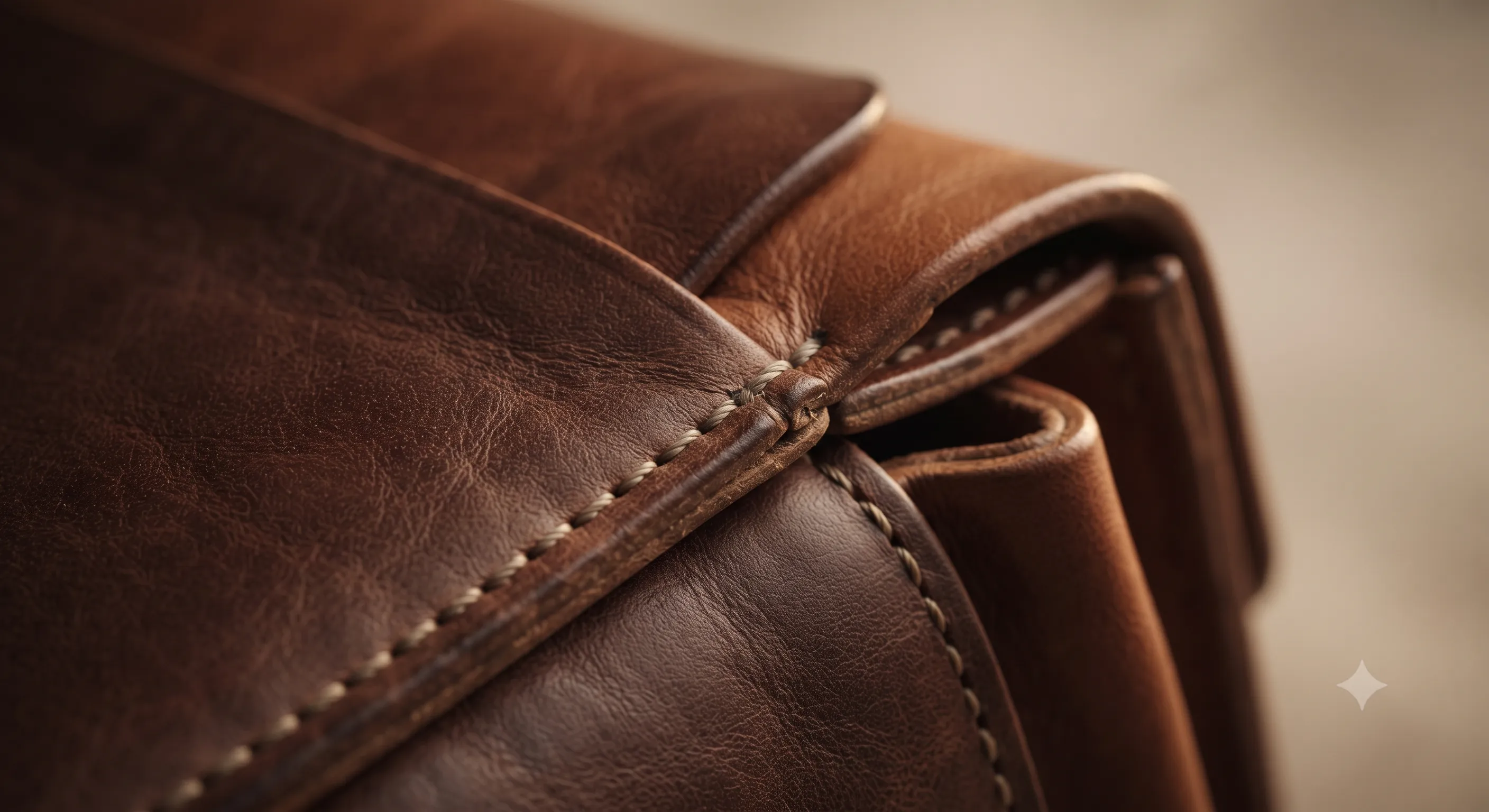
Wear, marks, fading and structural changes are considered individually rather than treated as defects to simply remove.
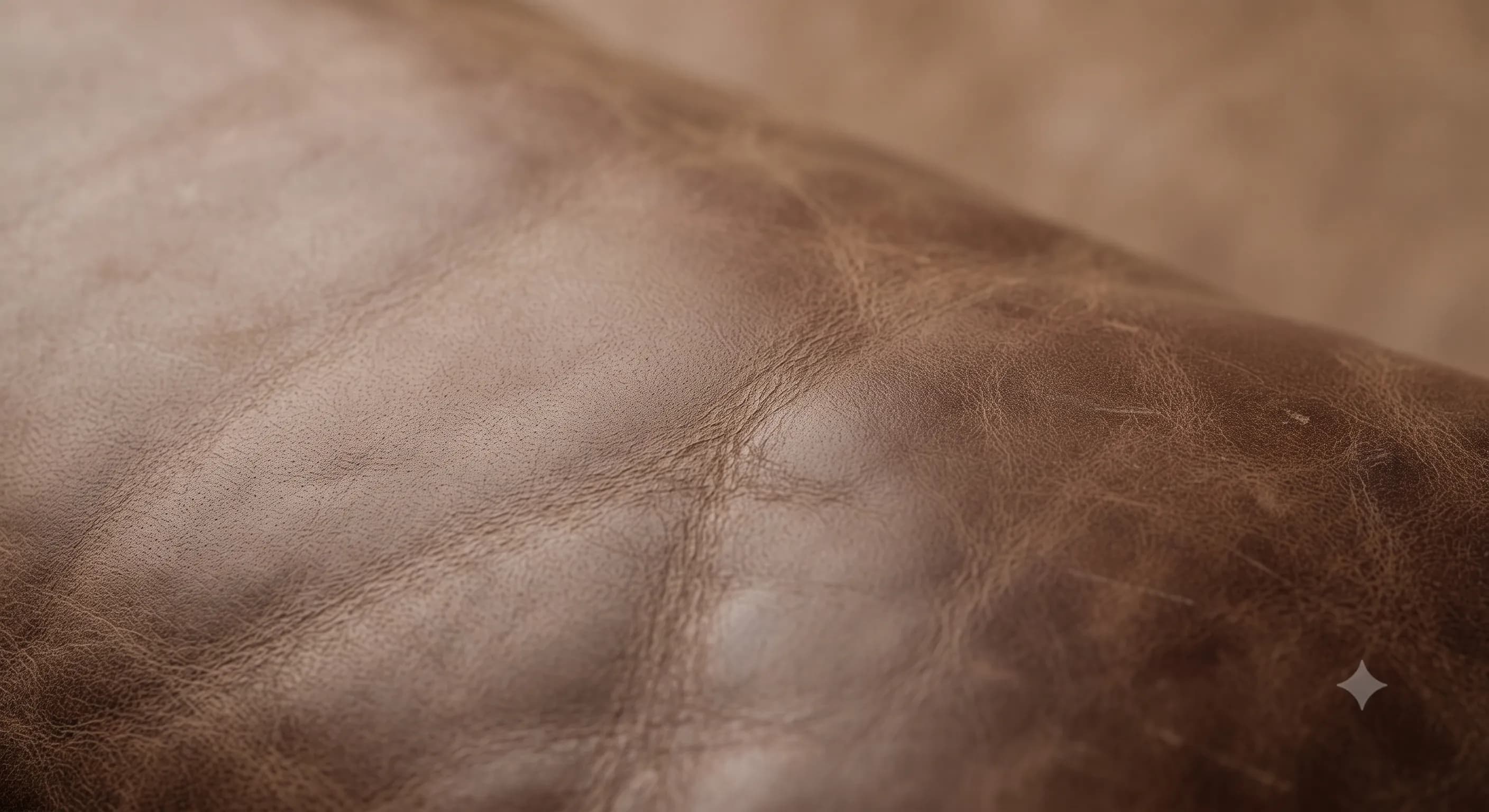
Restoration is not about making a piece look new. It is about deciding what should be renewed and what should remain part of its character.
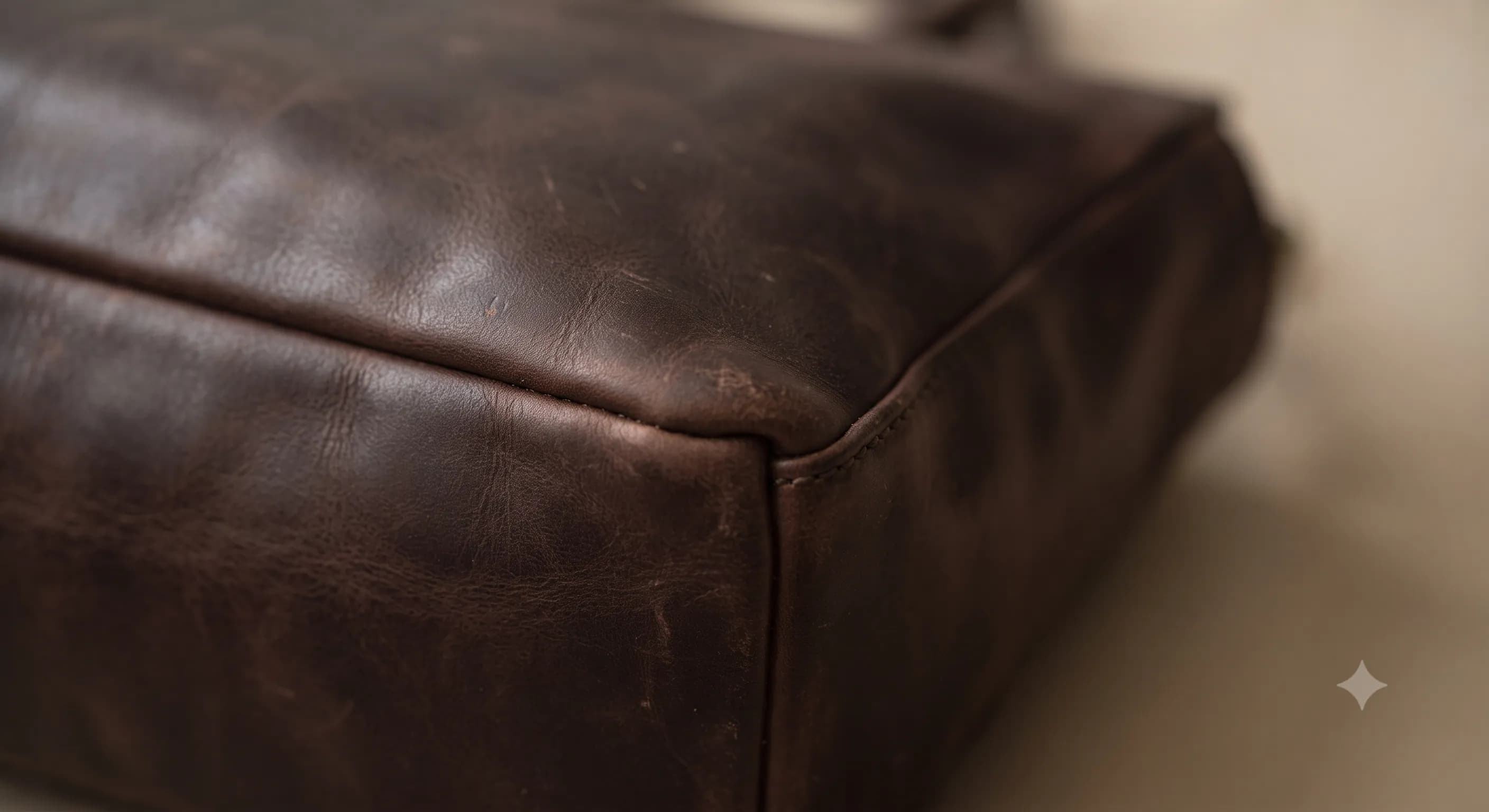
A MEASURED APPROACH
The first decision is not what to change, but what is worth preserving.
WHAT CAN BE RESTORED?
Restoration can take many forms. Depending on the material, construction and condition of the piece, different elements may be considered for repair, renewal or preservation.
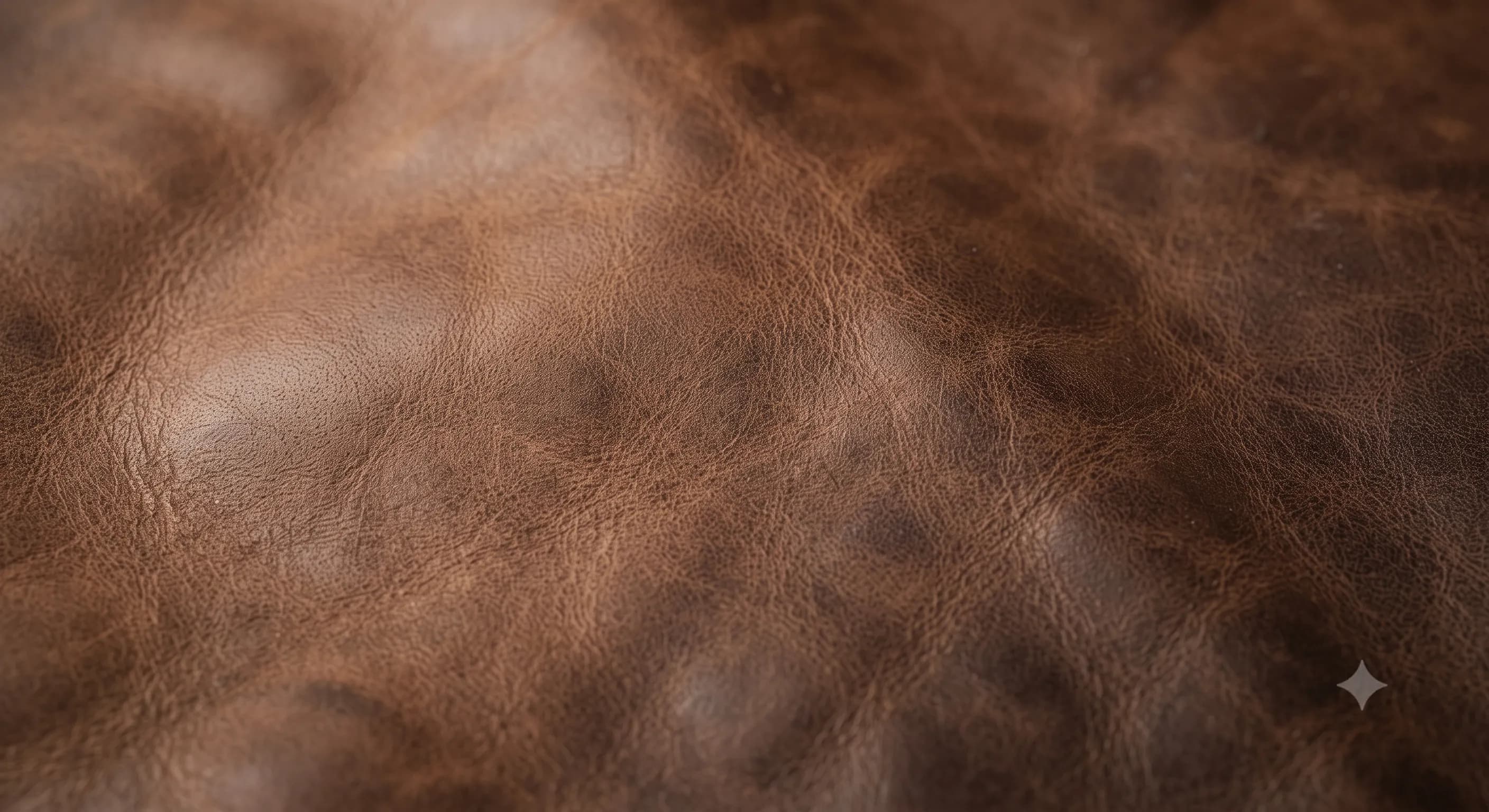
Worn, faded or marked leather surfaces can be assessed for appropriate restoration while preserving the character that has developed over time.
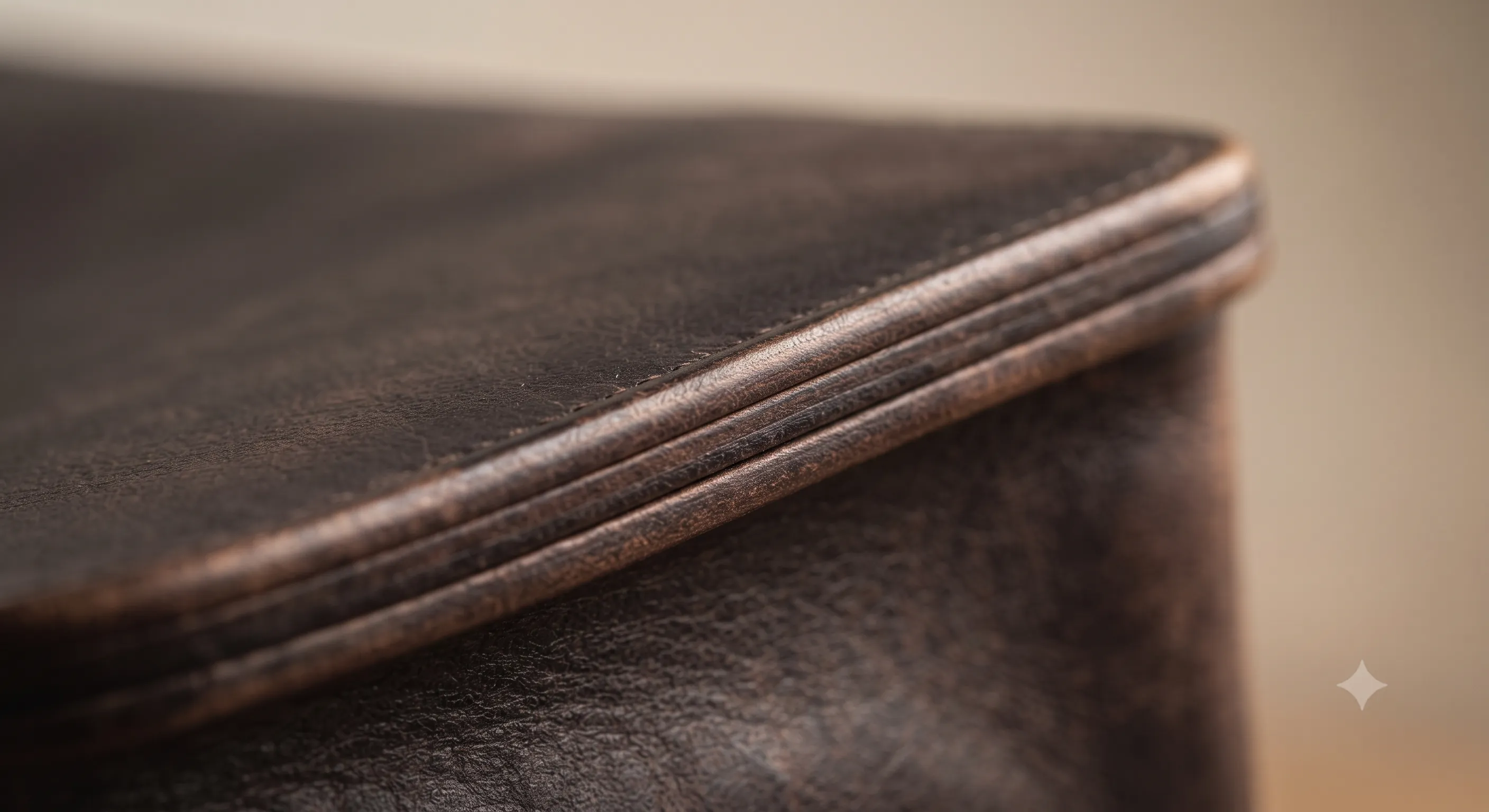
Softened, worn or uneven leather edges may be carefully addressed where restoration is appropriate to the original construction.
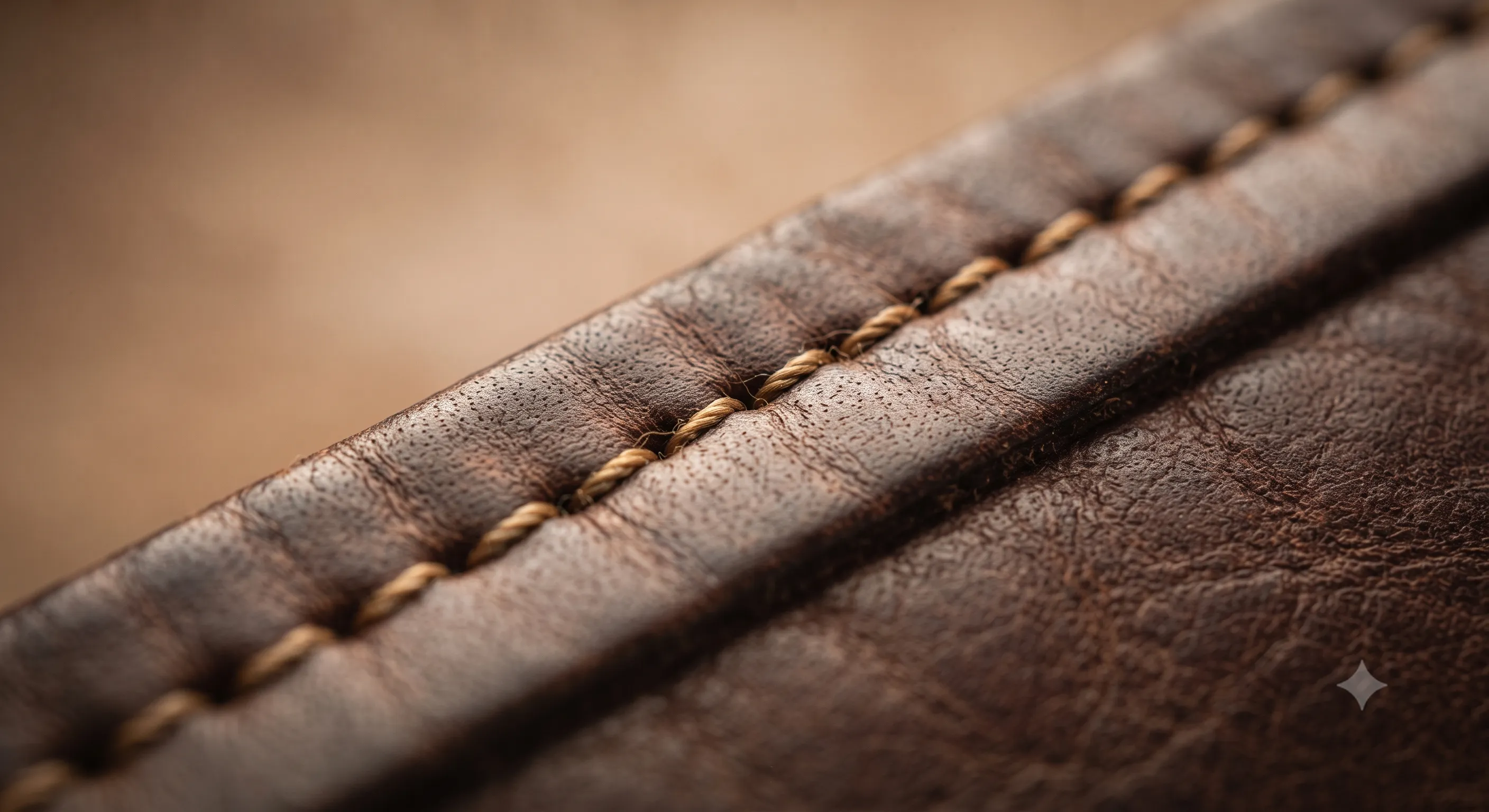
Loose, broken or deteriorated stitching can be assessed and, where appropriate, carefully renewed.
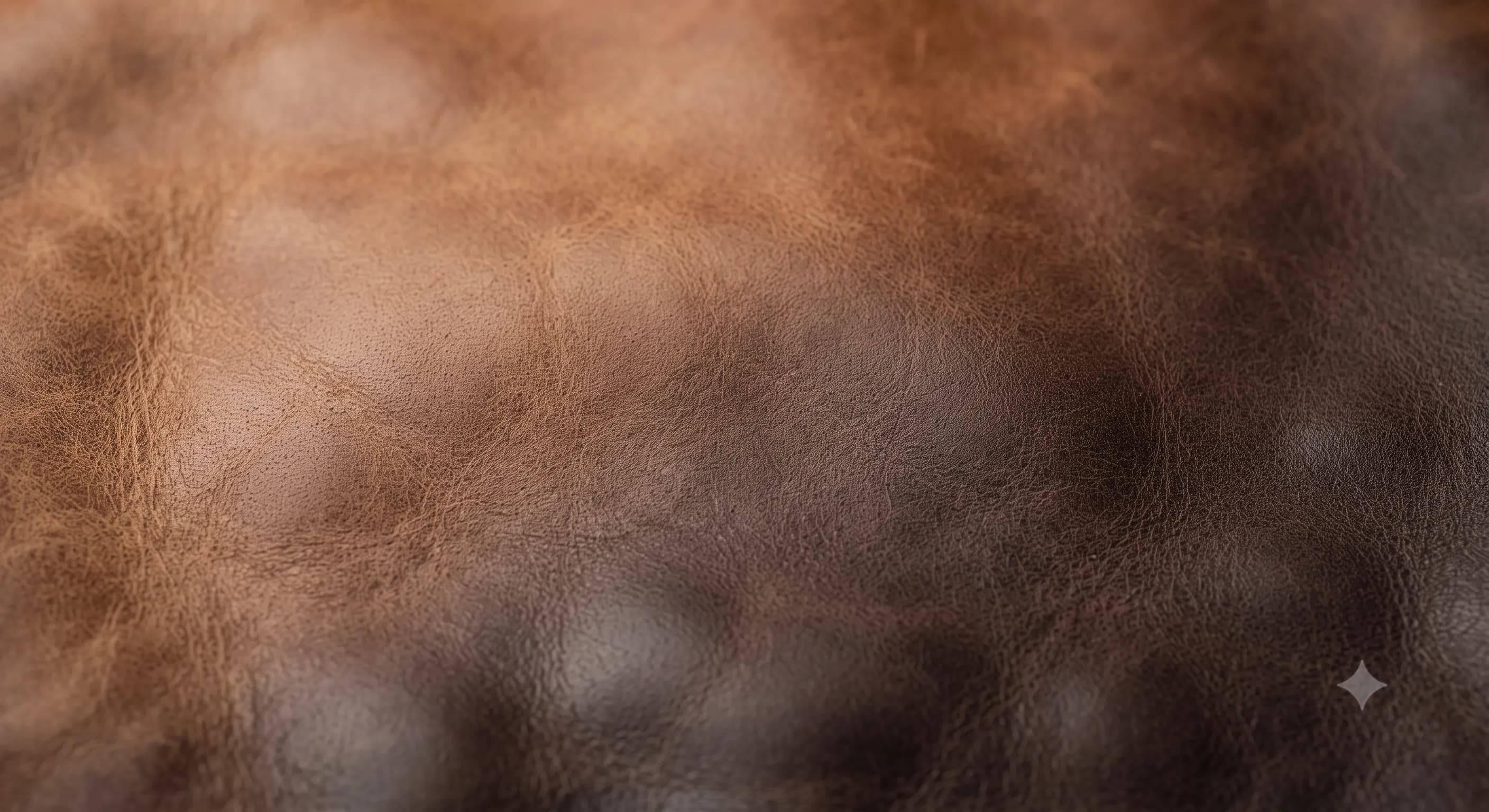
Faded or uneven surfaces may be considered for careful treatment while respecting the character and finish of the original leather.
Areas affected by use or weakened construction can be examined to determine whether considered intervention is possible.
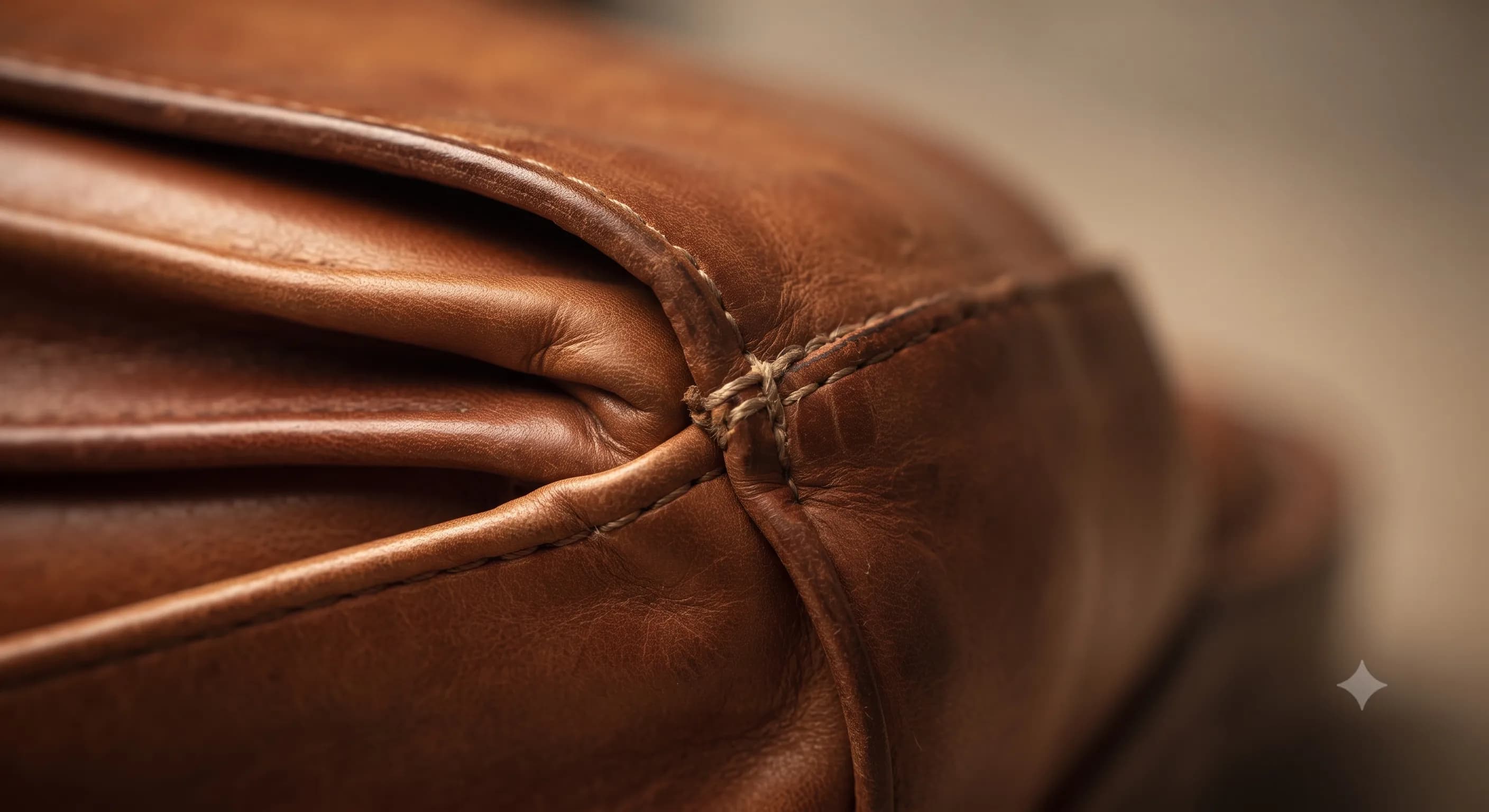
Selected hardware components may be assessed where their condition affects the function or visual balance of the piece.
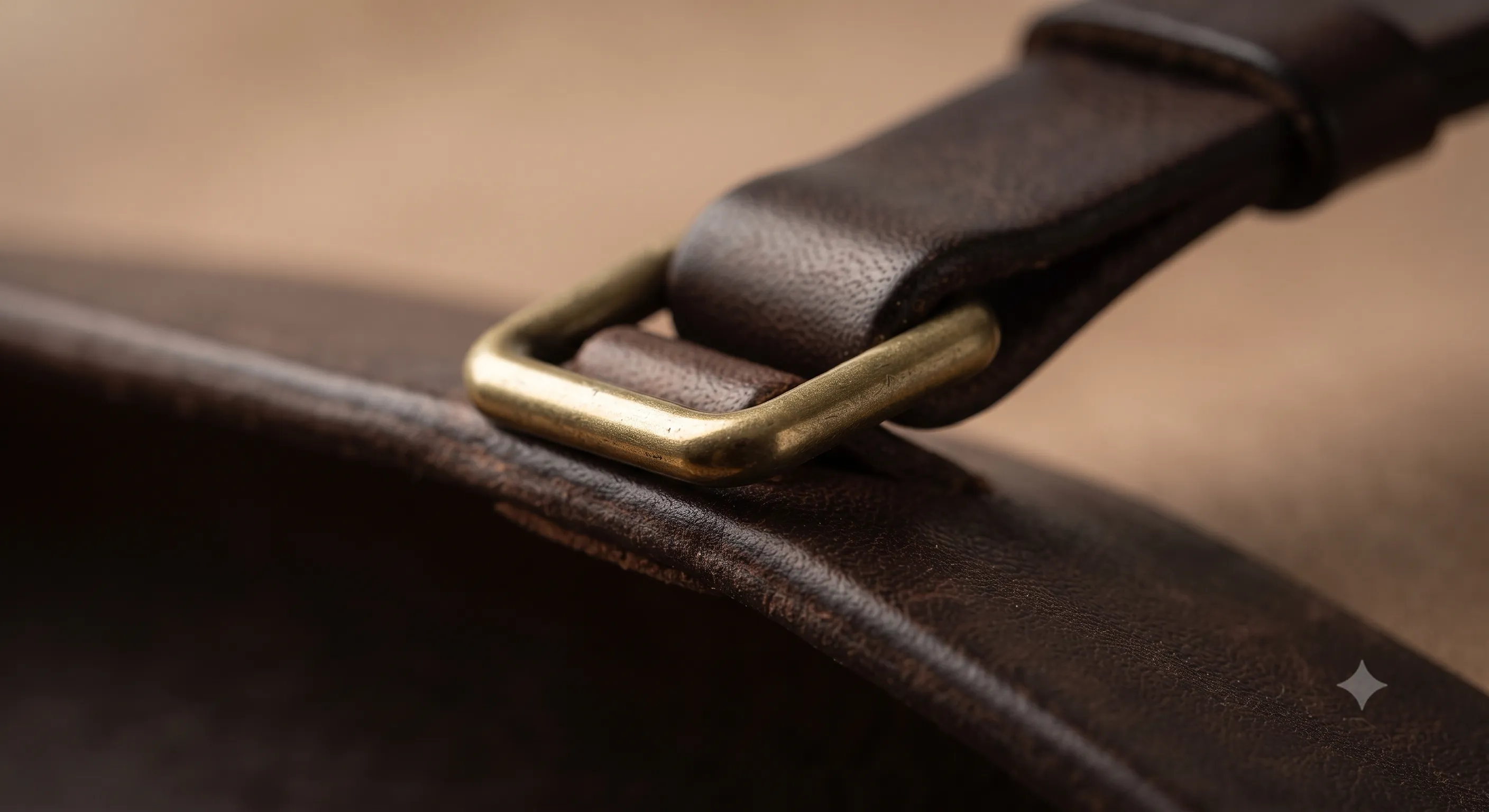
A CONSIDERED APPROACH
Each piece is different. Restoration depends on what the material, construction and condition allow.
EVERY MARK TELLS A STORY
A softened edge, a faded surface or a crease from years of use can become part of what makes a leather piece uniquely its own.
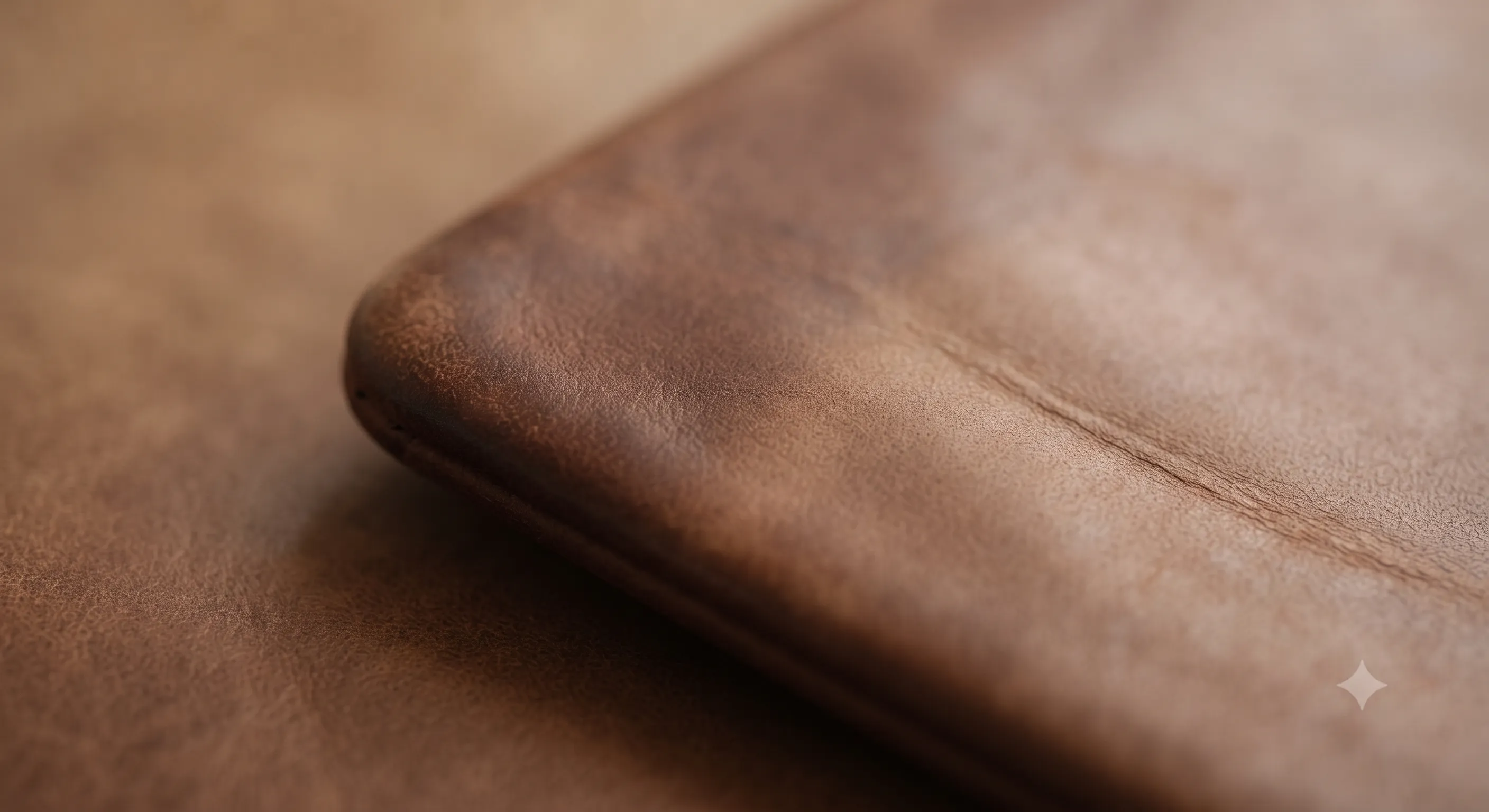
Time and handling gradually change the way leather meets the hand.
Colour deepens, softens and shifts with light and repeated use.
Small marks can become part of the object's individual history.
THE ROLE OF RESTORATION
A MEASURED PROCESS
Restoration is approached gradually. We first understand the piece, then determine what intervention is appropriate, before carefully carrying the work through to completion.
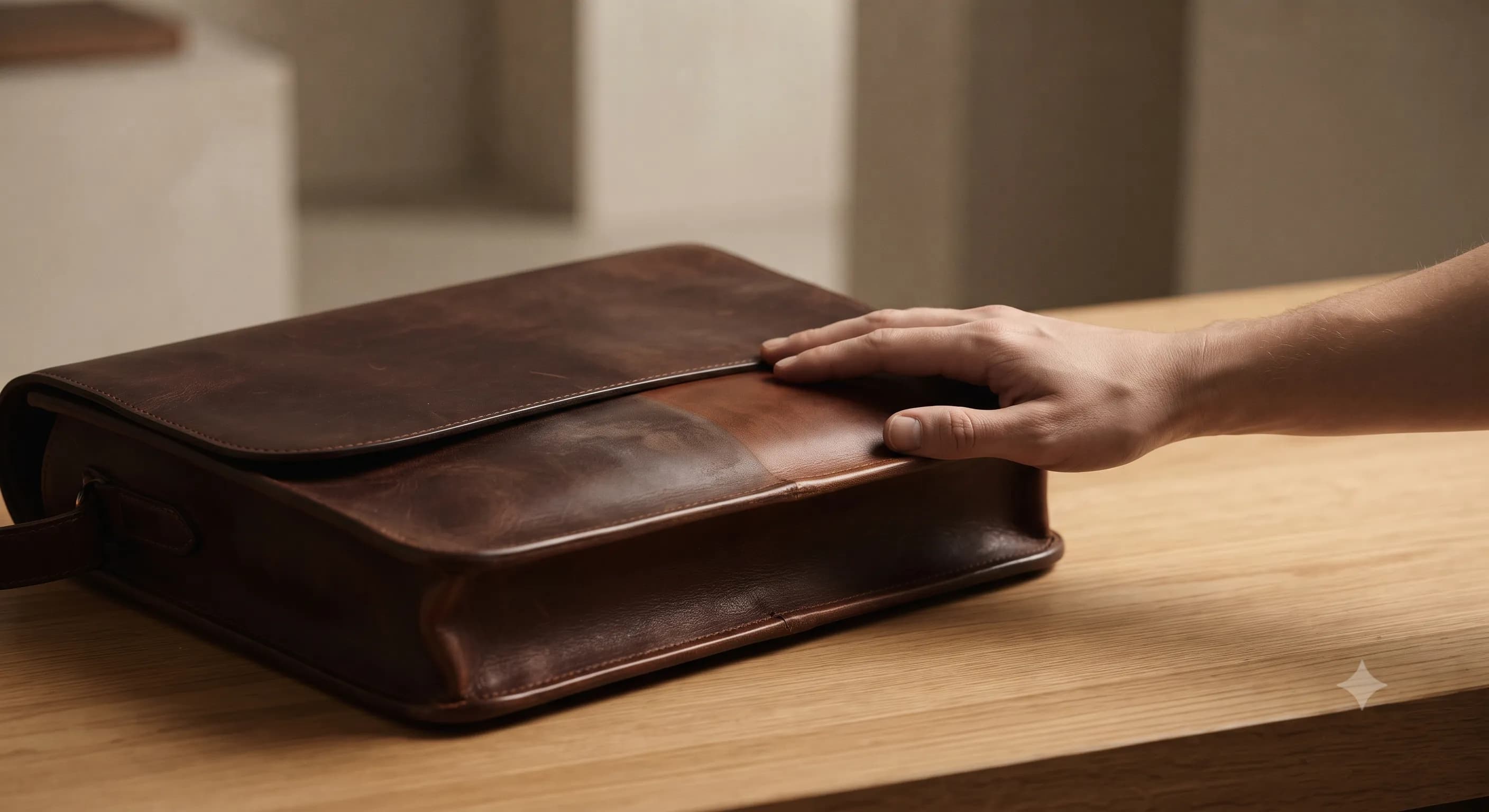
The piece is examined for its material, construction, condition and existing character before any work is proposed.
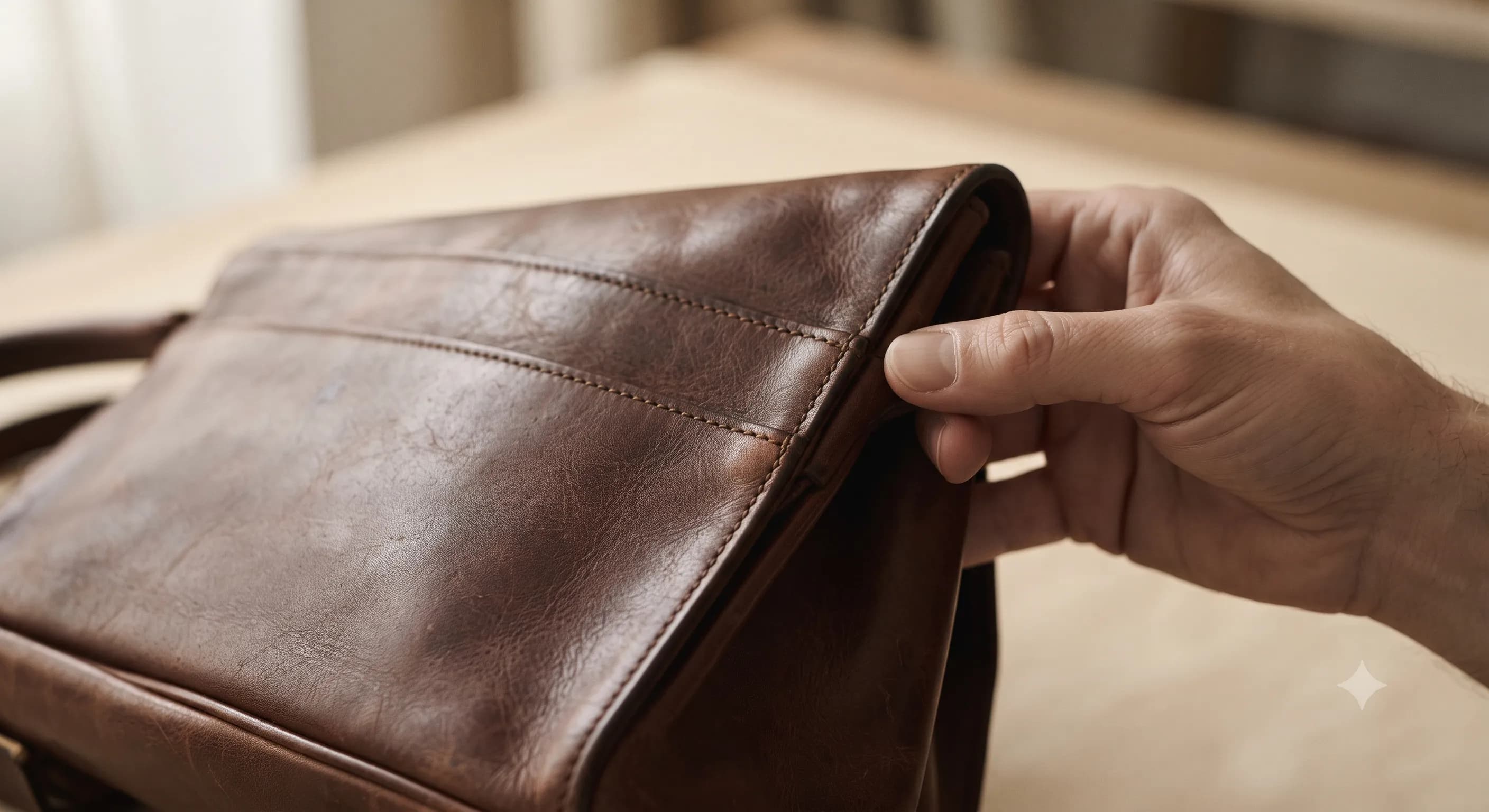
Based on the condition and intended outcome, we determine which areas may benefit from restoration and which are best left untouched.
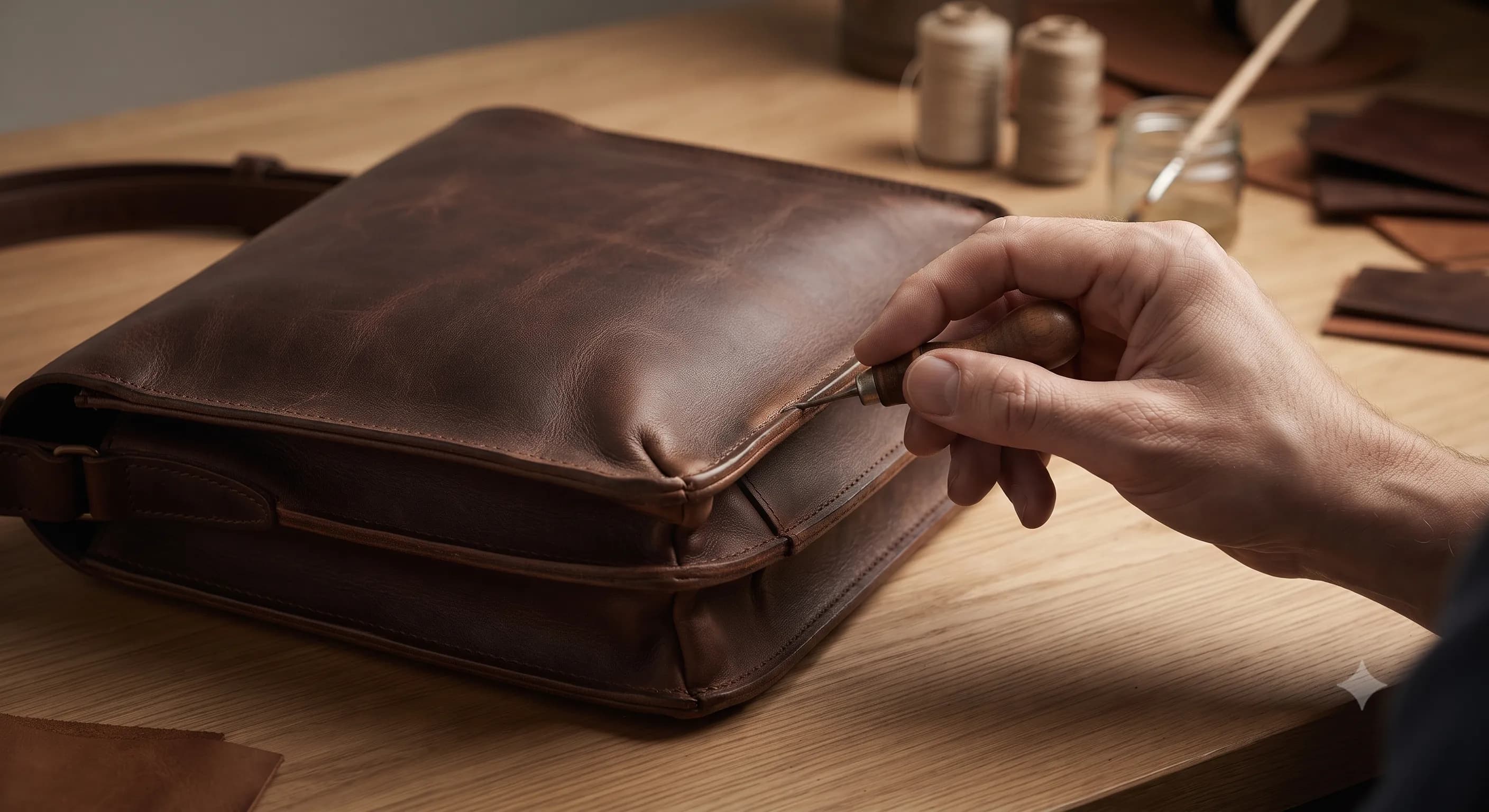
Restoration is carried out with care for the existing material, construction and visual character of the piece.
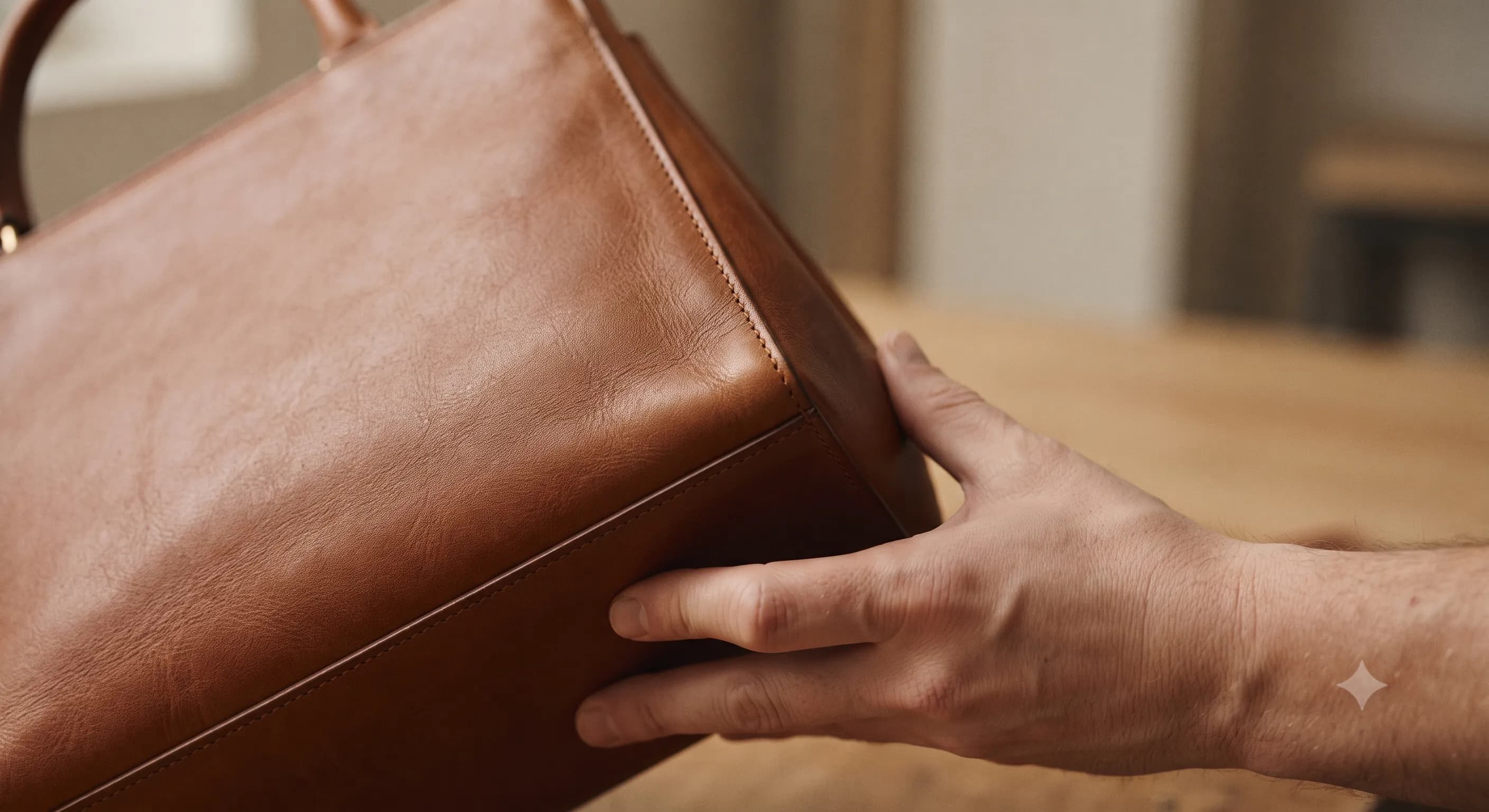
The finished piece is reviewed to ensure the work feels considered, balanced and appropriate to what the piece was meant to be.
A MEASURED APPROACH
The goal is not to do everything that can be done. It is to do what the piece genuinely needs.
UNDERSTANDING → DECISION → RESTORATIONRESTORED, NOT REINVENTED
Restoration should respect what already exists. The aim is not to erase every trace of use, but to carefully renew what needs attention while preserving the material, construction and character that make the piece its own.
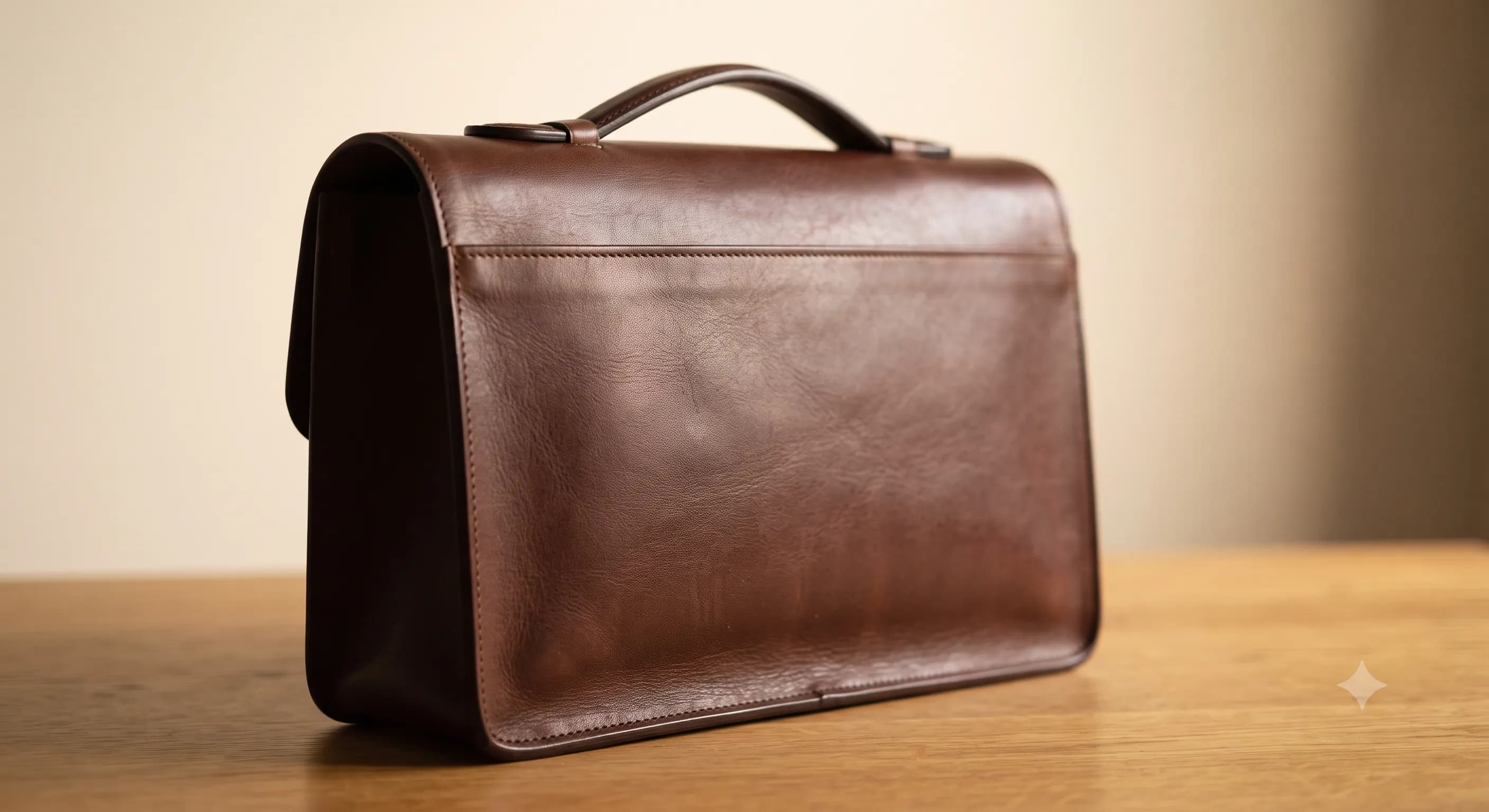
The original leather remains the foundation of the restoration.
Existing construction is considered before intervention, with changes made only where appropriate.
Patina, subtle marks and signs of use may remain part of what makes the piece uniquely its own.
THE PURPOSE OF RESTORATION
A restored piece should carry its history forward, not leave it behind.
WHAT SHOULD REMAIN, REMAINS
Restoration is also an act of restraint. Where the original material, construction or character remains sound, there may be no reason to change it.
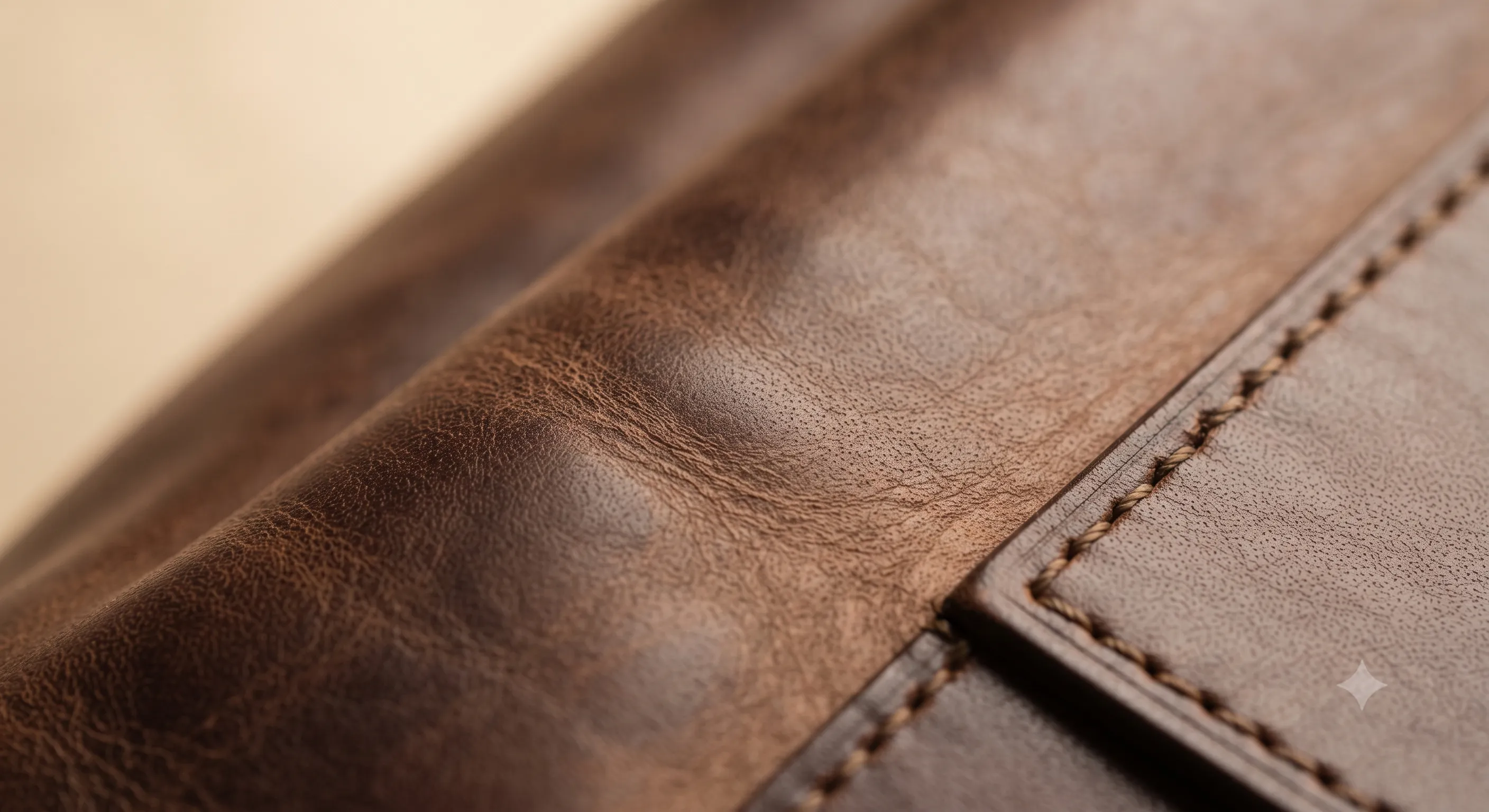
Natural changes in colour and surface can carry the history of use.
Natural grain and variation remain part of the material's identity.
Small marks and softened areas may remain when they belong naturally to the piece.
Existing proportions, seams and construction are respected wherever appropriate.
THE PURPOSE OF PRESERVATION
What remains is not what we overlooked. It is what we chose to respect.
AGE IS NOT ALWAYS SOMETHING TO REMOVE
Leather changes with time. Colour deepens, surfaces soften and marks accumulate. Not every change is a flaw to be corrected — some become part of what makes a piece worth keeping.
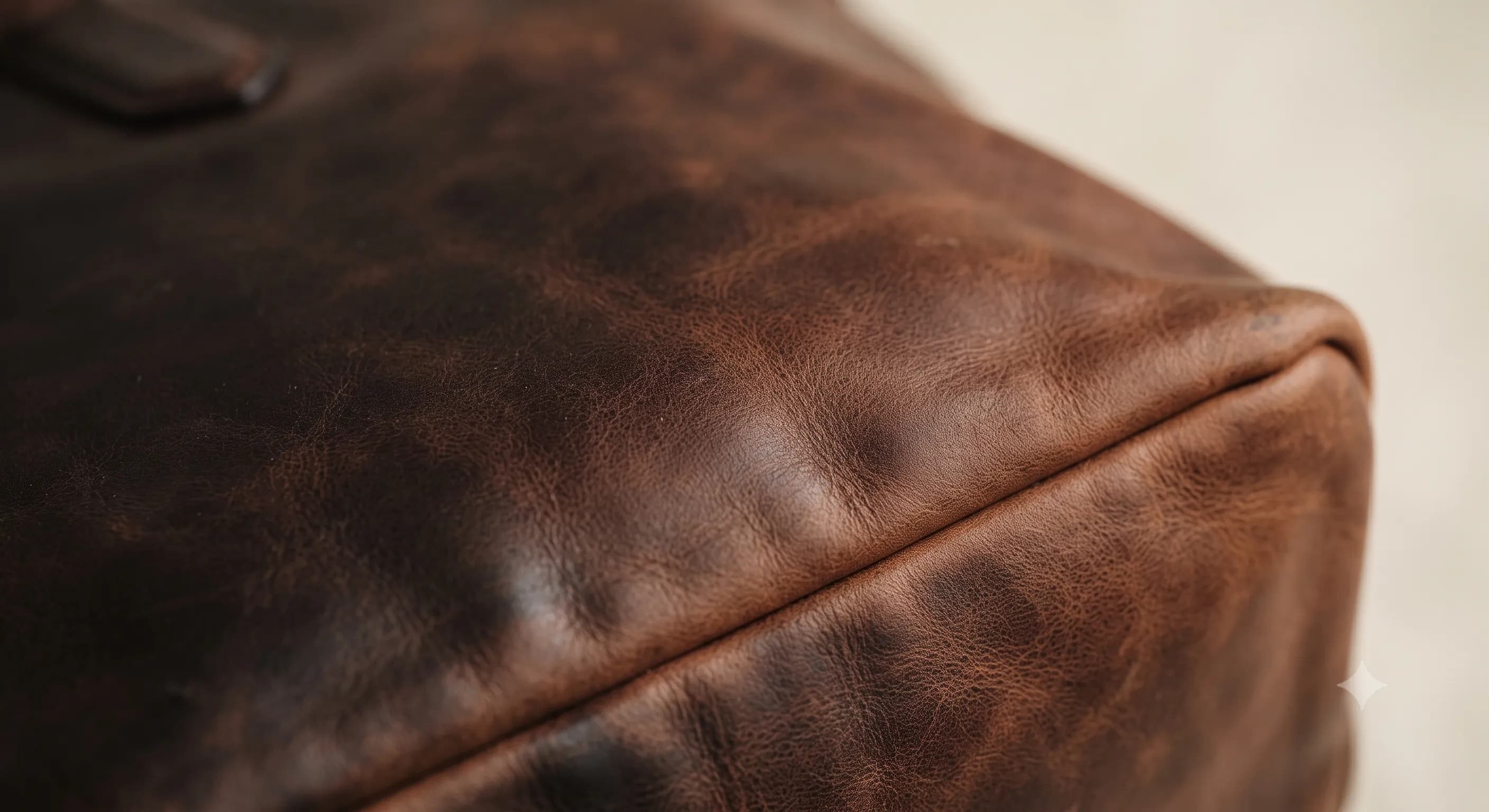
Light and handling gradually influence colour, sheen and depth.
Repeated handling can soften leather and give it a different tactile quality.
Small traces of use can become part of the history carried by the piece.
Sometimes, the most considered restoration
is the one that knows when to stop.
IS RESTORATION RIGHT FOR YOUR PIECE?
Restoration is worth considering when the condition of a piece affects its use, structure or appearance — and when careful intervention can help preserve what makes it worth keeping.
Wear, fading, softened edges or other changes may indicate that an assessment is worthwhile.
Restoration is most meaningful when the piece has personal, material or lasting value.
Original leather, construction, patina or details may be part of what makes the piece worth keeping.
Restoration works best when the intention is to care for the existing piece rather than turn it into something entirely new.
IF YOU ANSWERED YES TO MOST OF THESE
Not sure? That's part of the assessment.
REQUEST A RESTORATION ASSESSMENTAN HONEST ASSESSMENT
An honest assessment may sometimes mean recommending limited intervention, preservation as-is, or no restoration at all.
FROM PIECE TO POSSIBILITY
Restoration can give an existing piece another chapter. Not by erasing where it has been, but by helping it continue with renewed function, presence and purpose.
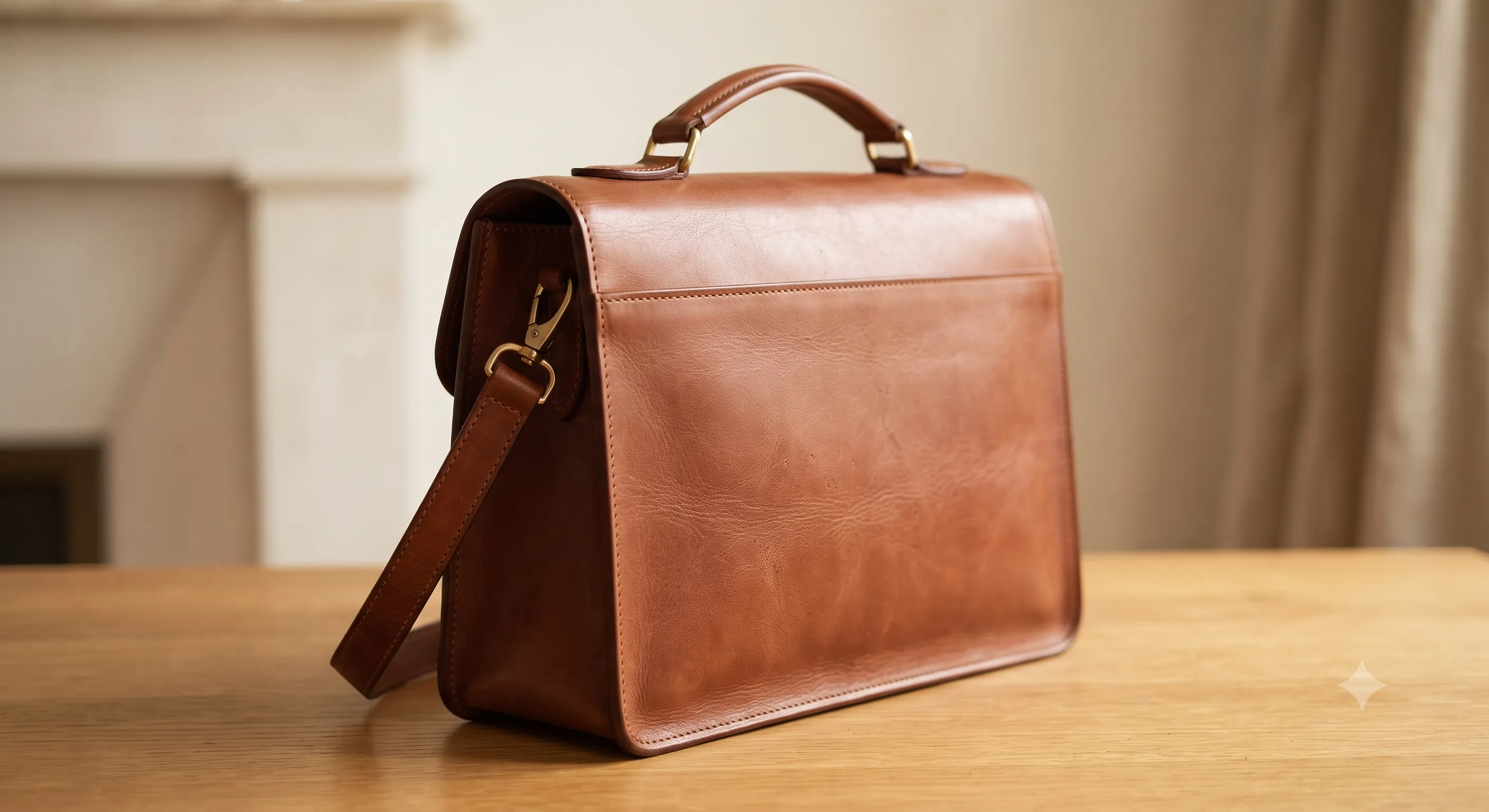
Restoration can help a piece return to everyday use while respecting what it has already become.
What has developed over time does not have to be left behind.
The piece can move forward without losing the qualities that made it worth keeping.
THE NEXT CHAPTER
Sometimes, the most meaningful possibility is simply giving something worth keeping the opportunity to continue.
RESTORATION FAQ
A considered restoration begins with understanding the piece. These answers explain what to expect before an assessment and before any work is proposed.
SOME PIECES ARE WORTH KEEPING.
A leather piece can carry more than material value. It can hold memory, familiarity, craftsmanship and years of use. When something still matters, restoration can be a way of allowing it to continue.
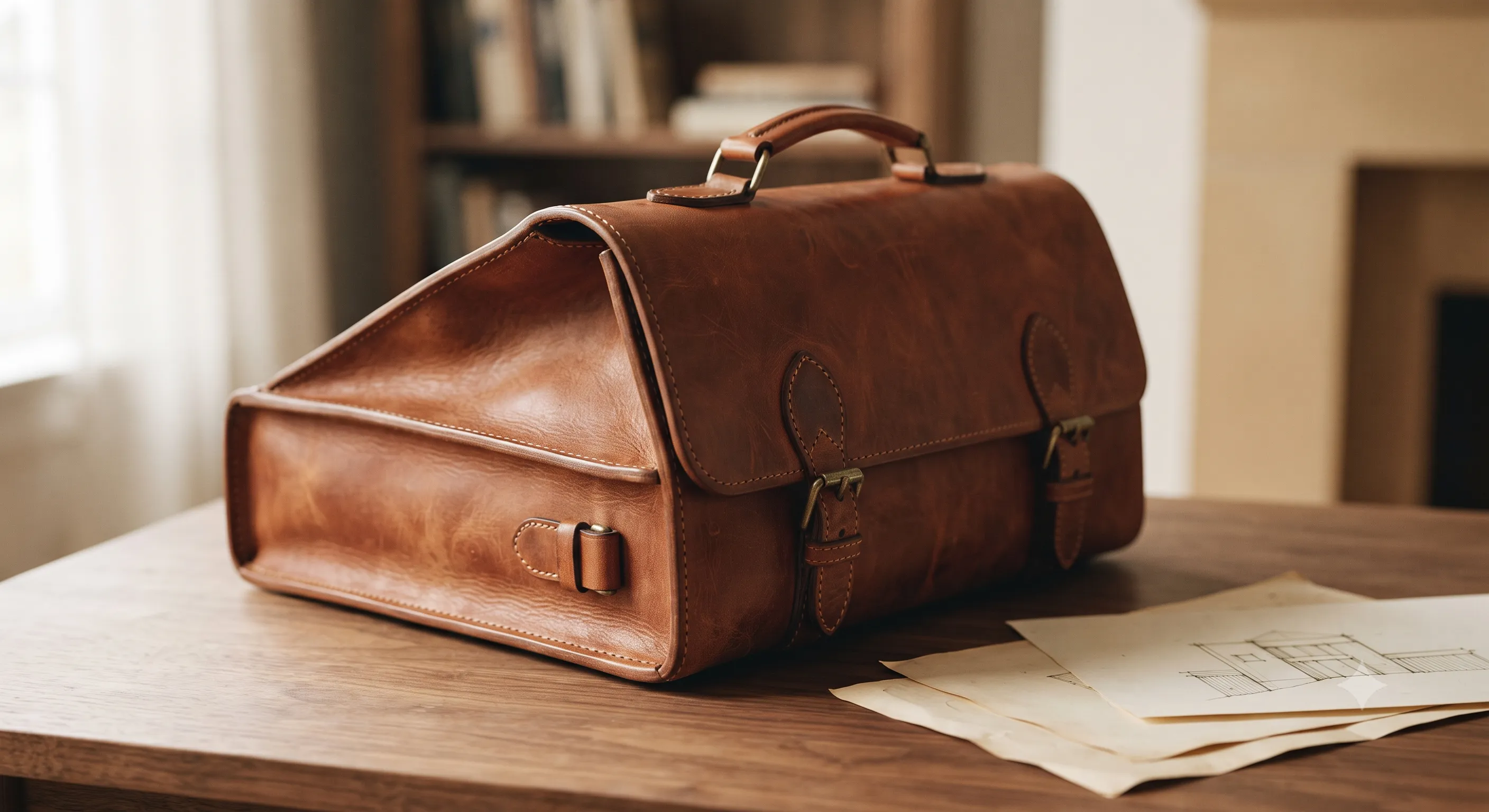
Some pieces become familiar through years of use.
Good materials and thoughtful construction deserve consideration before replacement.
Patina, marks and use can give a piece an identity that cannot simply be recreated.
Restoration is sometimes less about repairing an object and more about making space for its next chapter.
REQUEST A RESTORATION ASSESSMENTEvery restoration begins with a conversation. Tell us about the piece, what has changed, and what matters to you. We will begin by understanding it before suggesting what, if anything, should be done.
No commitment is required to begin a conversation.
The first step is not deciding what to change. It is understanding what is already there.
Every restoration begins with understanding the object. Tell us what you have, what has changed, and what you hope to preserve. We will review the details before determining whether restoration is appropriate.
Every piece is assessed individually.