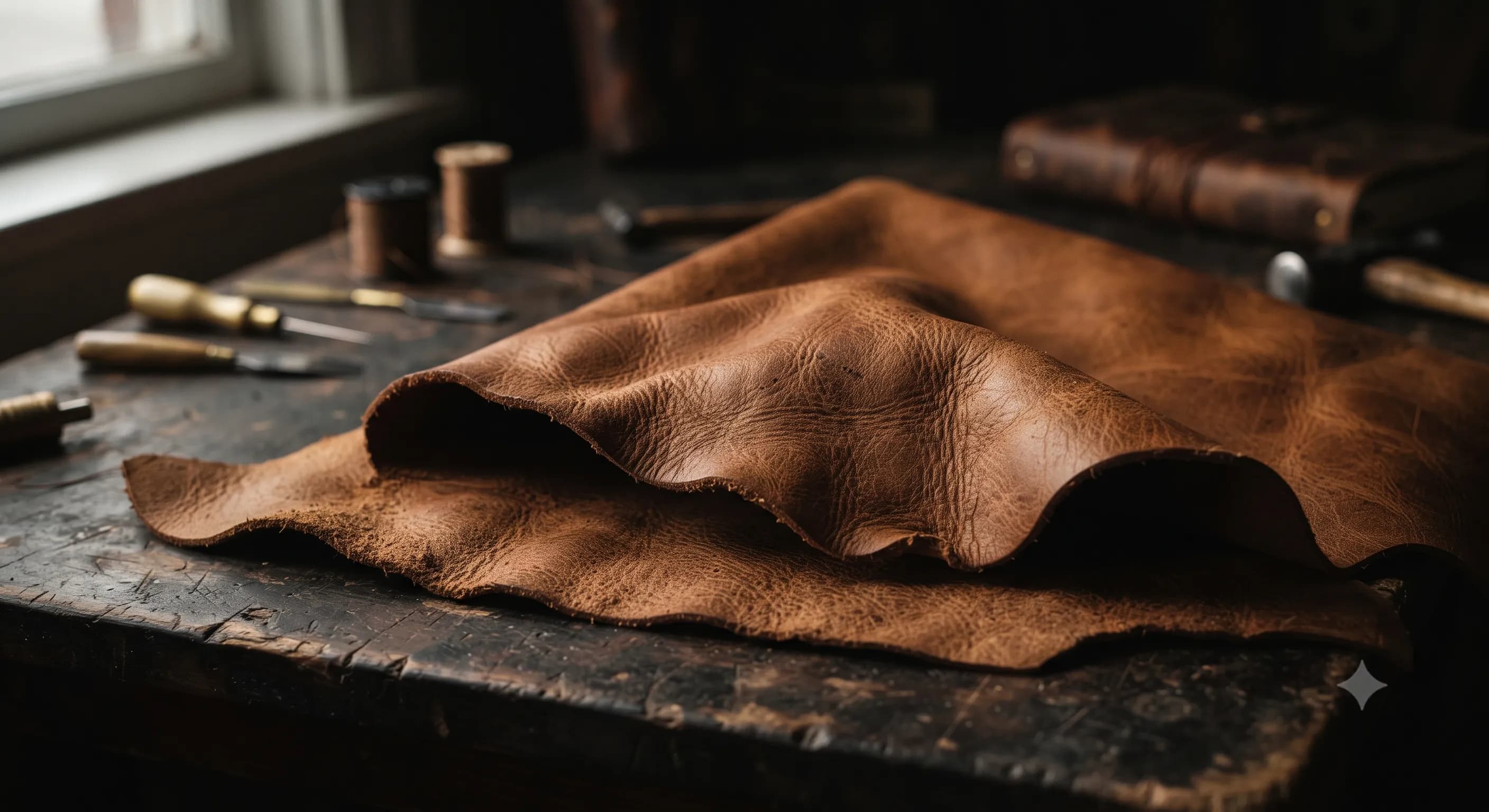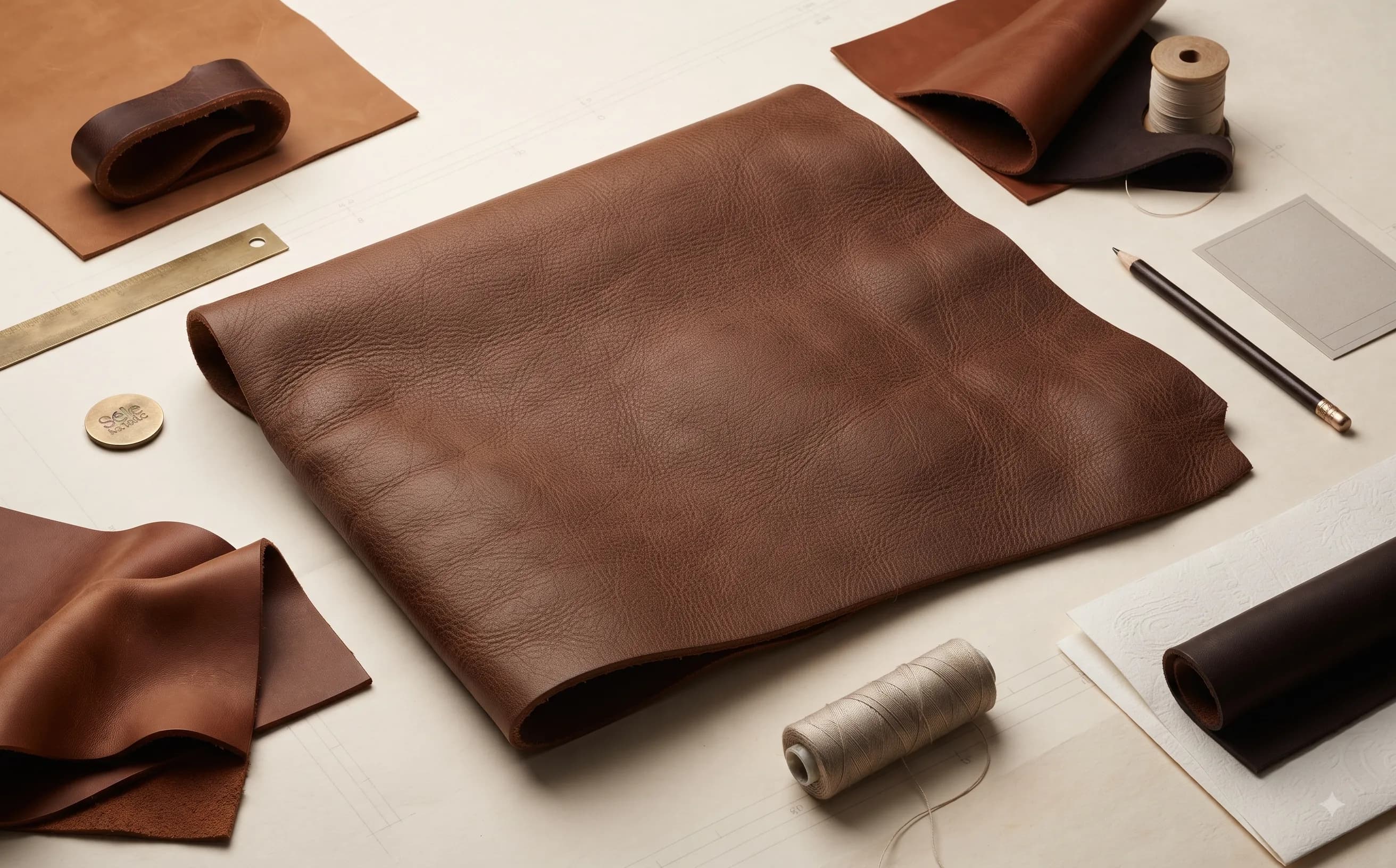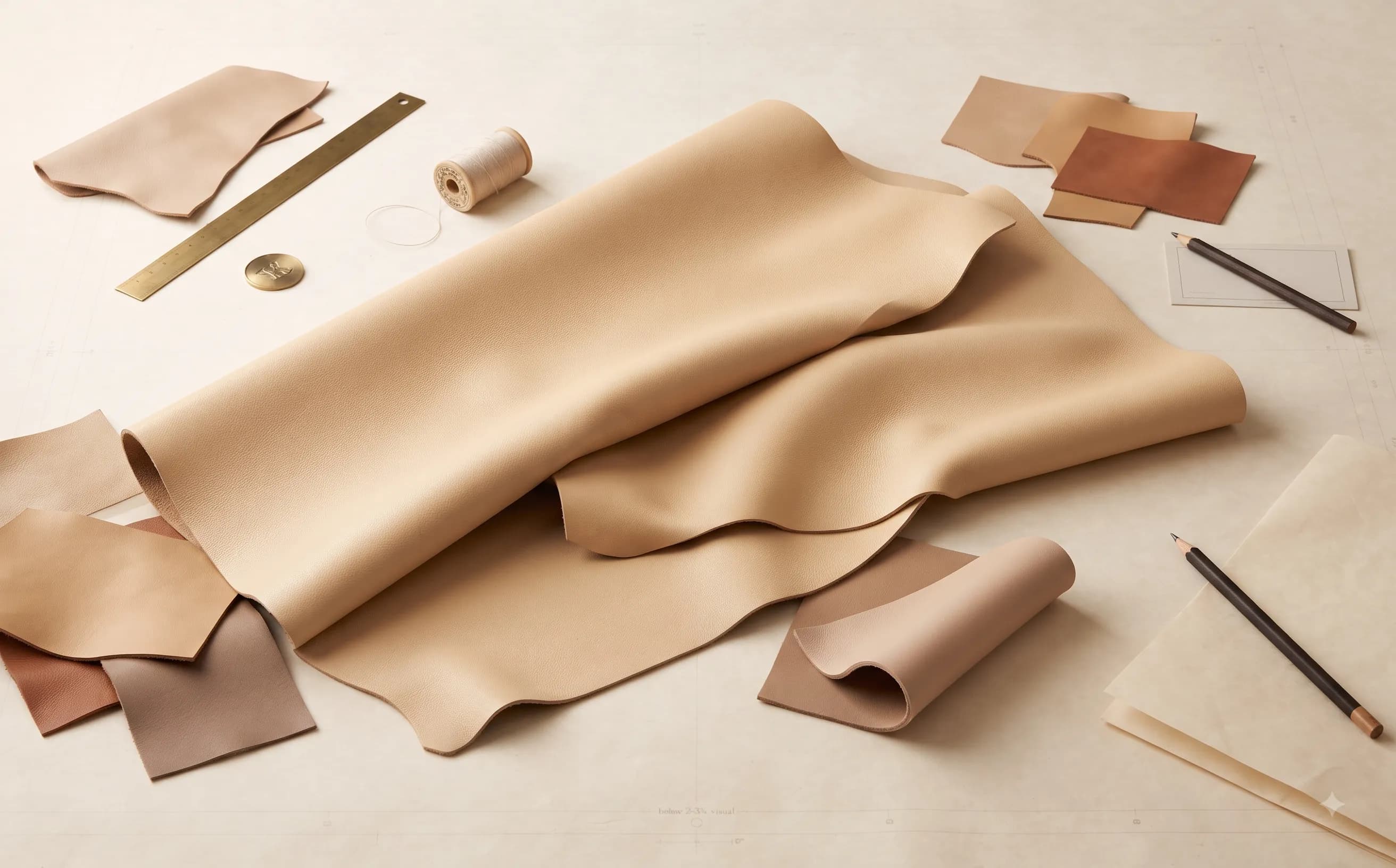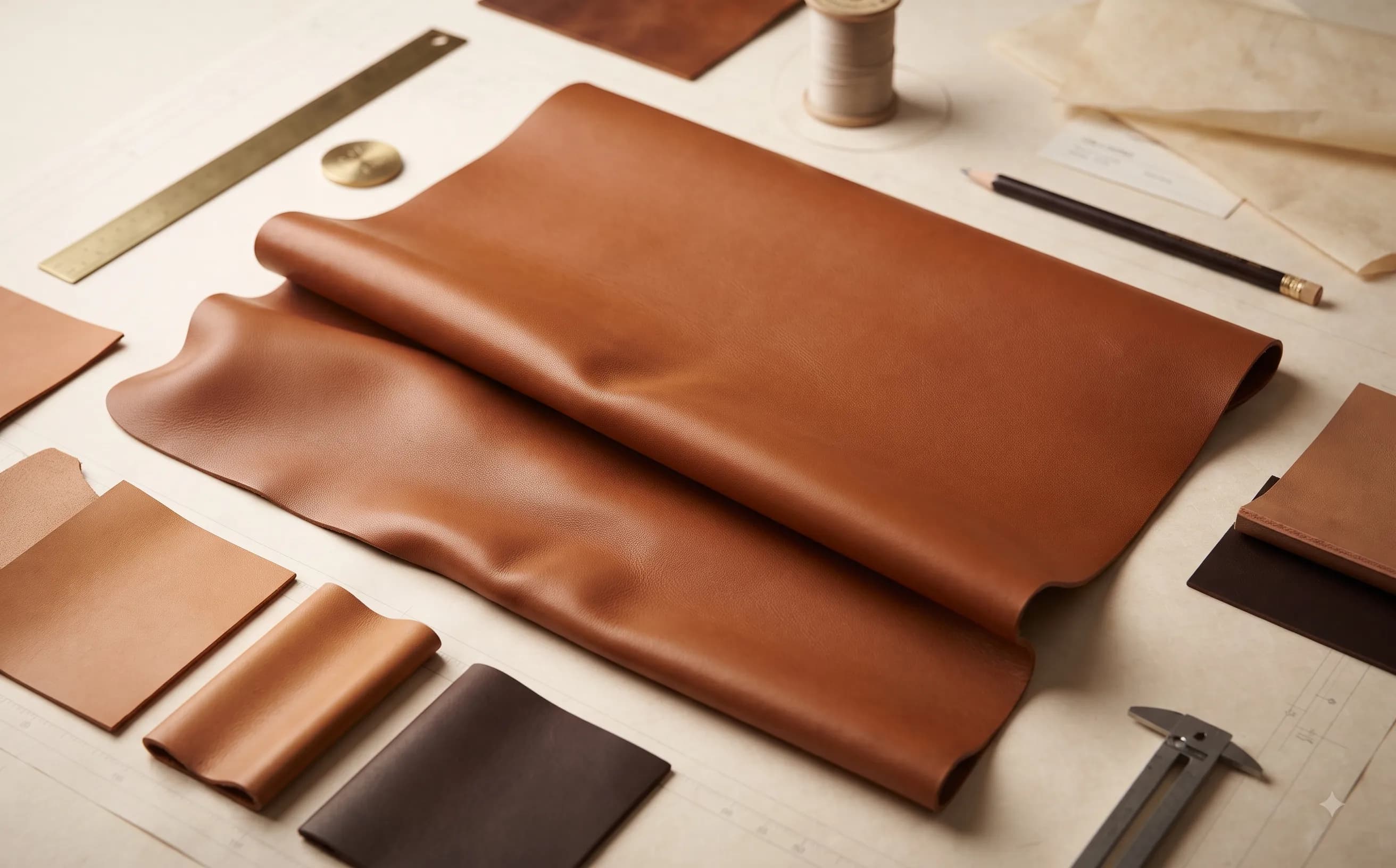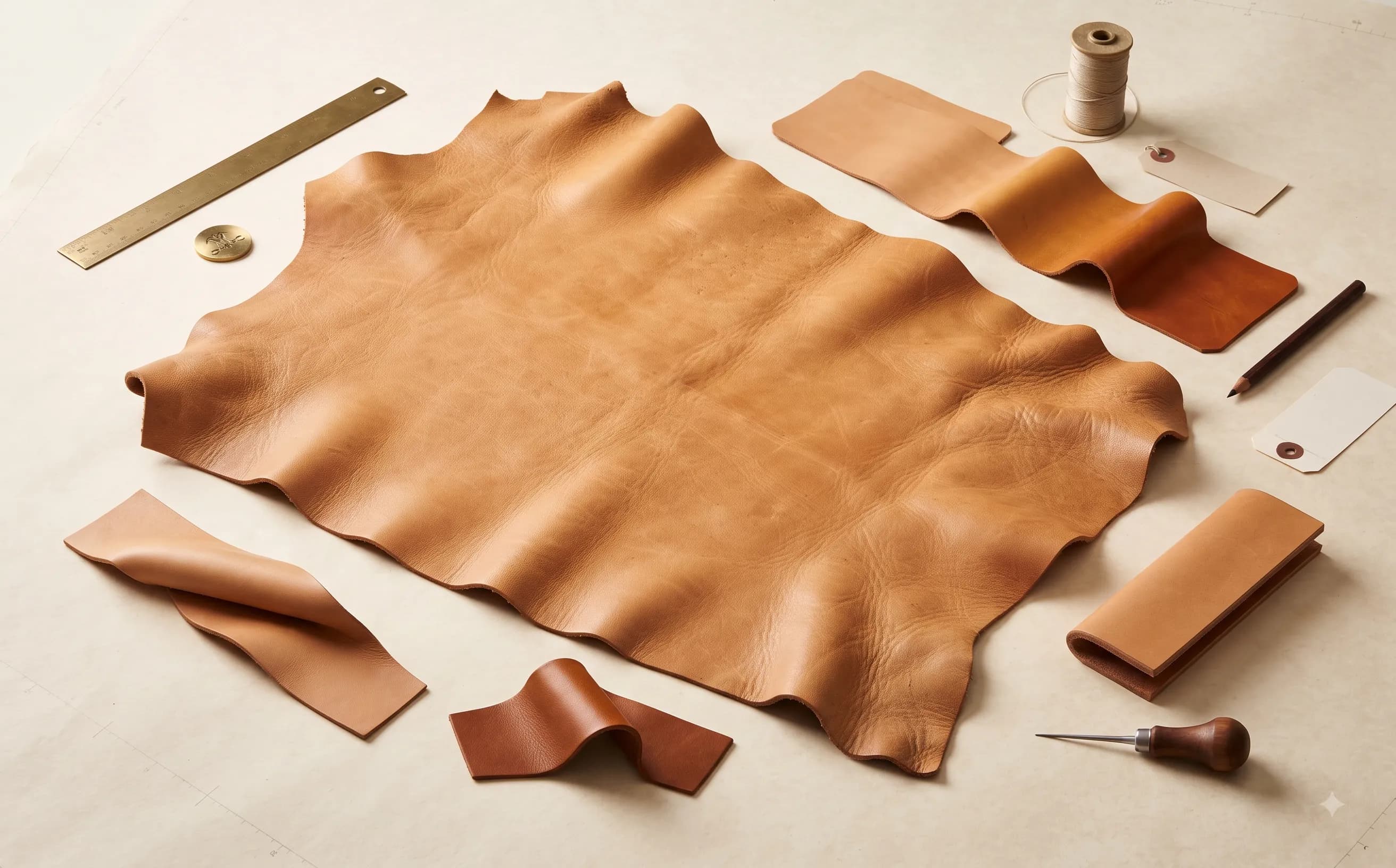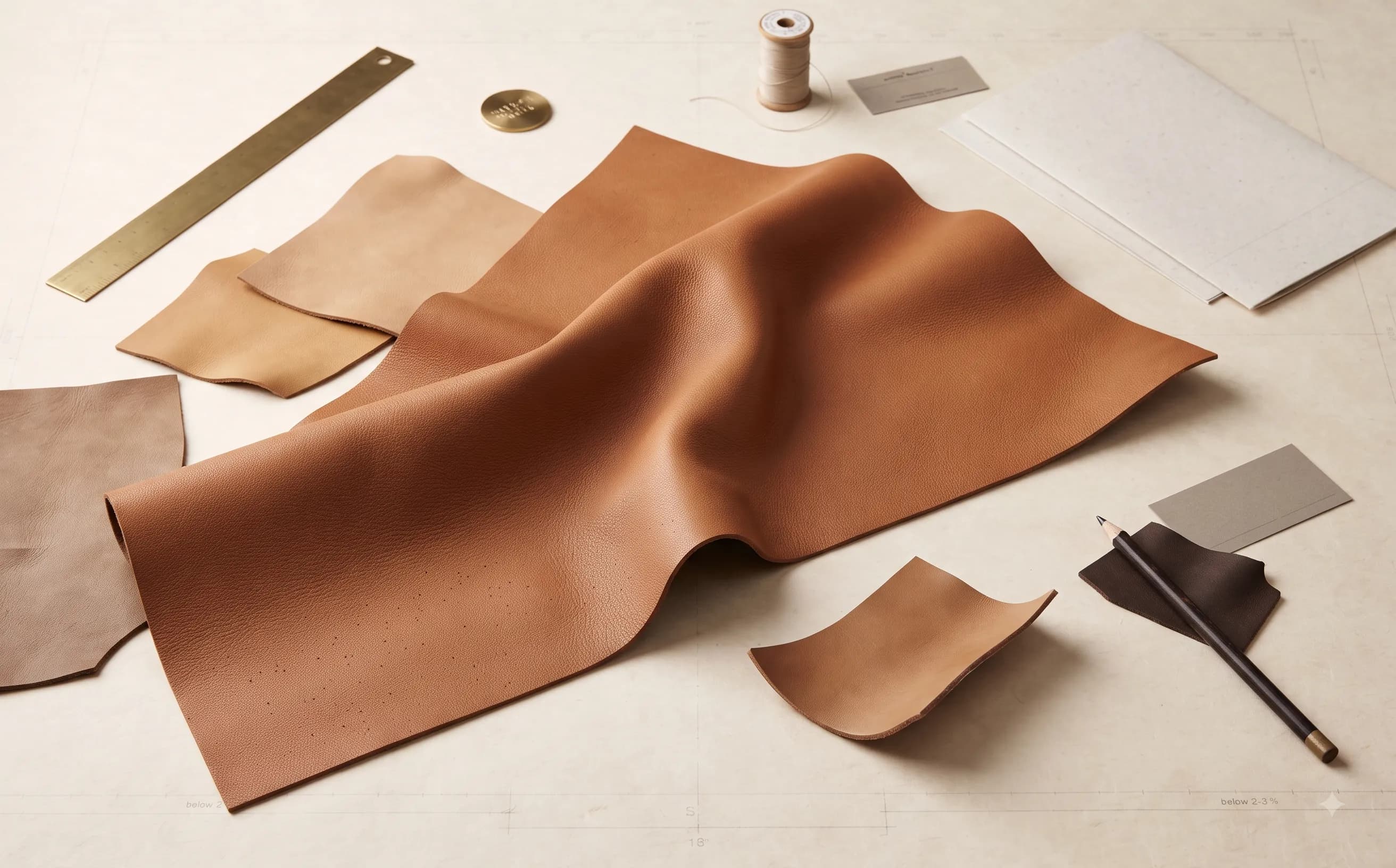
Goat Leather
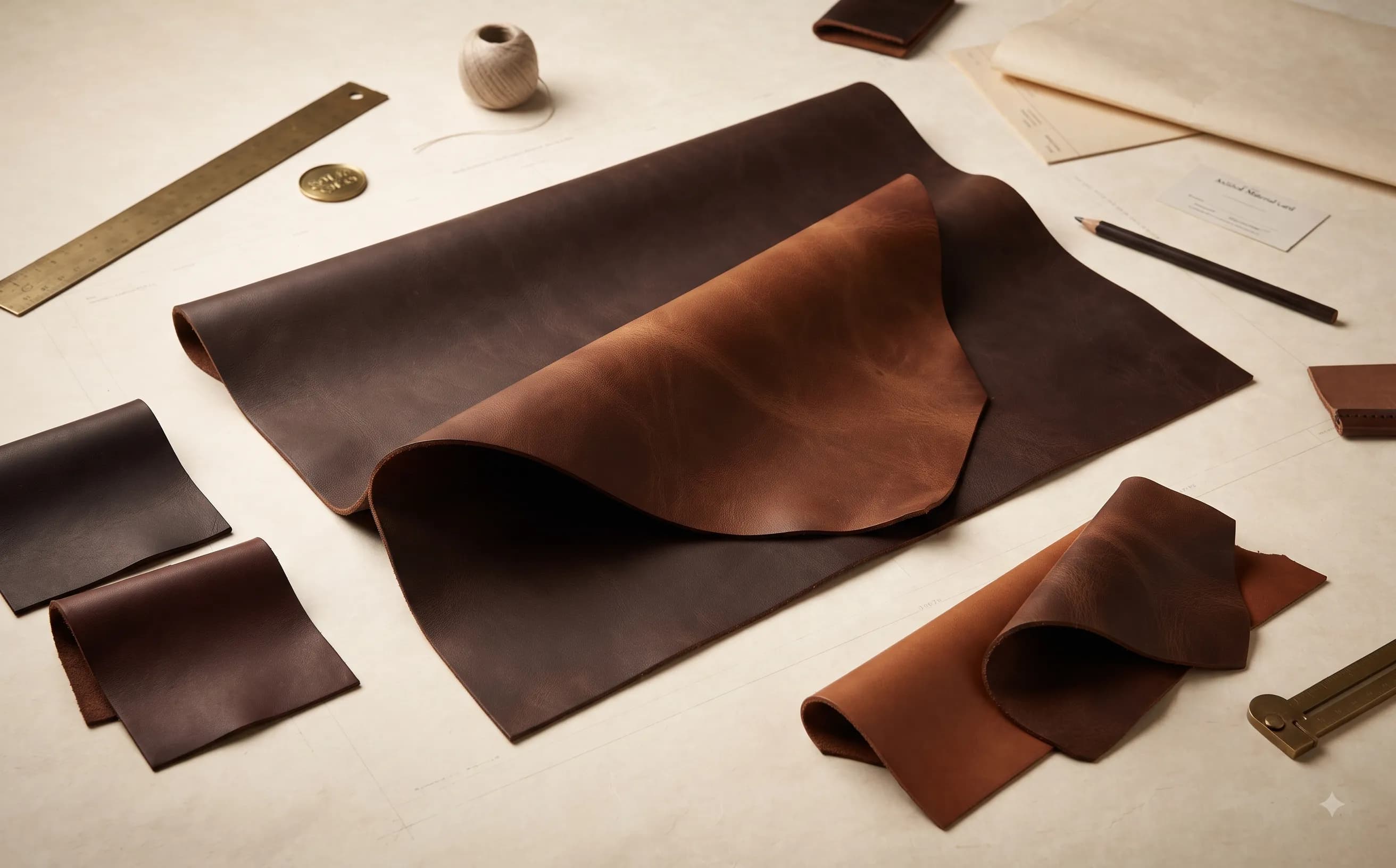
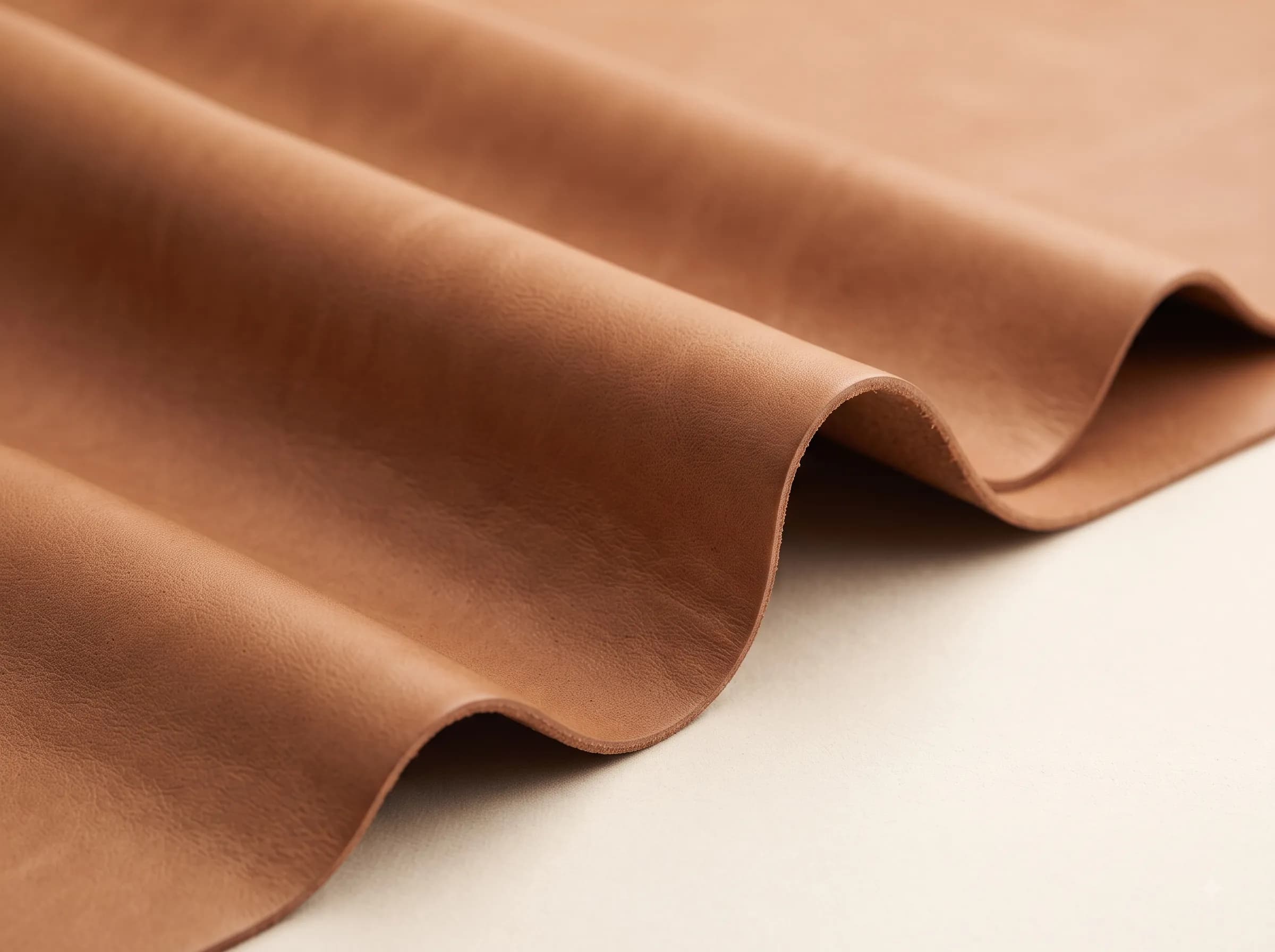
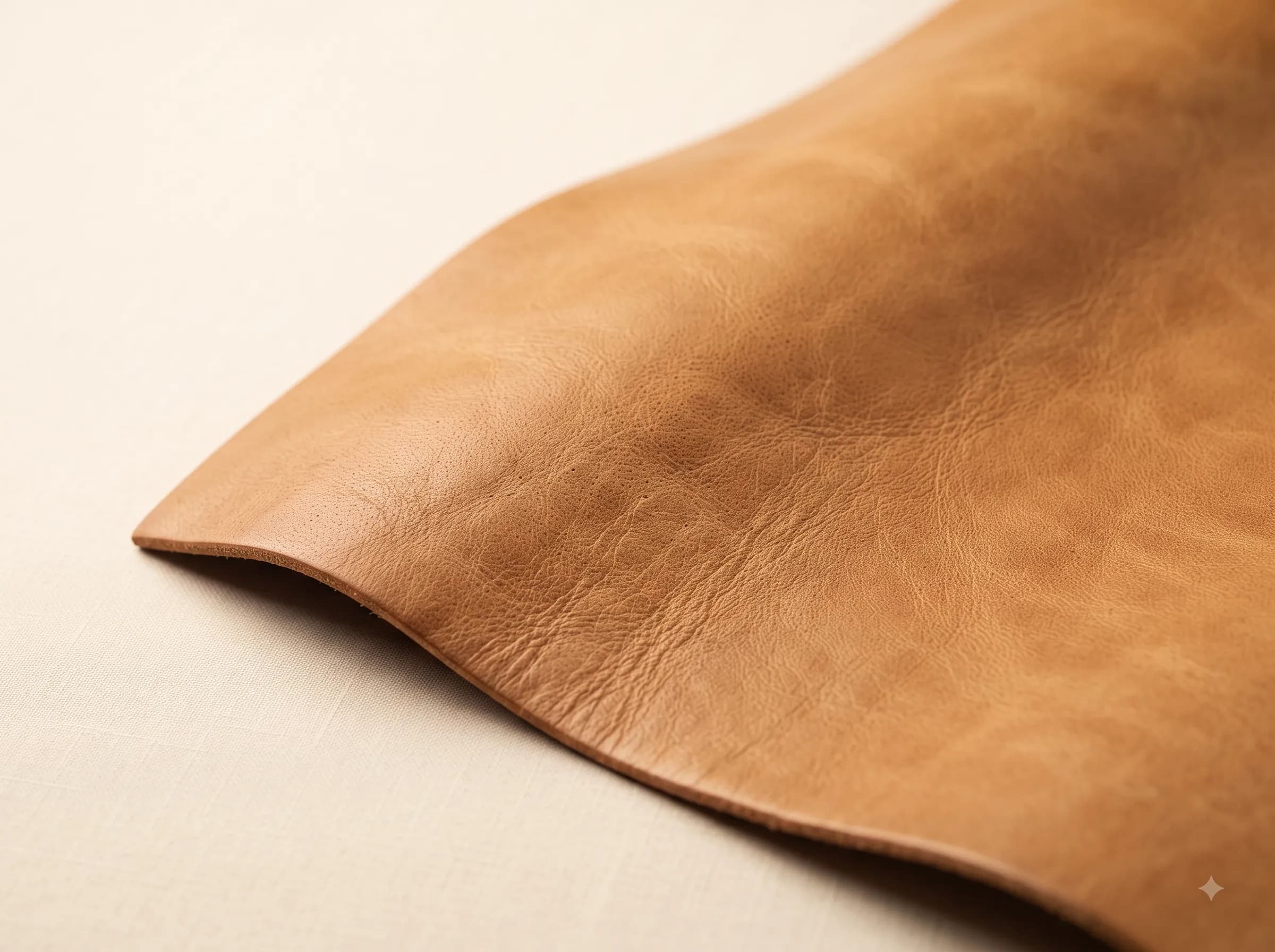
"Soft, lightweight, and incredibly durable."
Explore the materials behind handcrafted leather work. The Sole & Skin Material Library examines leather types, grain, colour, patina, thread, stitching, hardware, material selection and care.
Every material has its own character. We consider how it feels, how it performs, how it responds to use, and how its story develops over time before it becomes part of a creation.
Natural grain, texture and individuality give every material its own personality.
The material should belong to the object it becomes and perform according to its intended use.
The experience of leather begins with touch—not simply appearance.
The right material should develop character as it is used and cared for.
Explore the materials, textures, finishes and details that shape the character of a Sole & Skin creation.
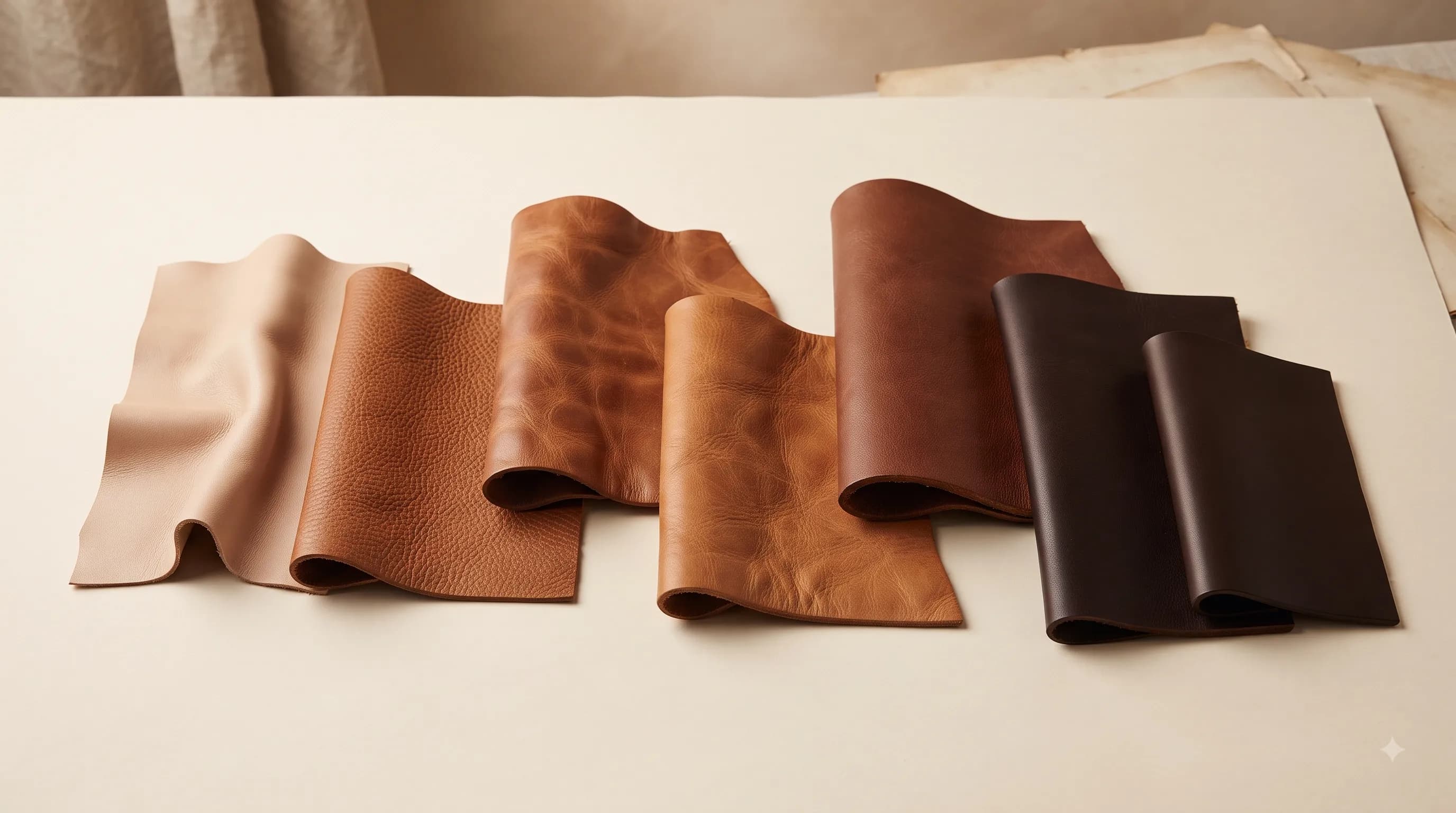
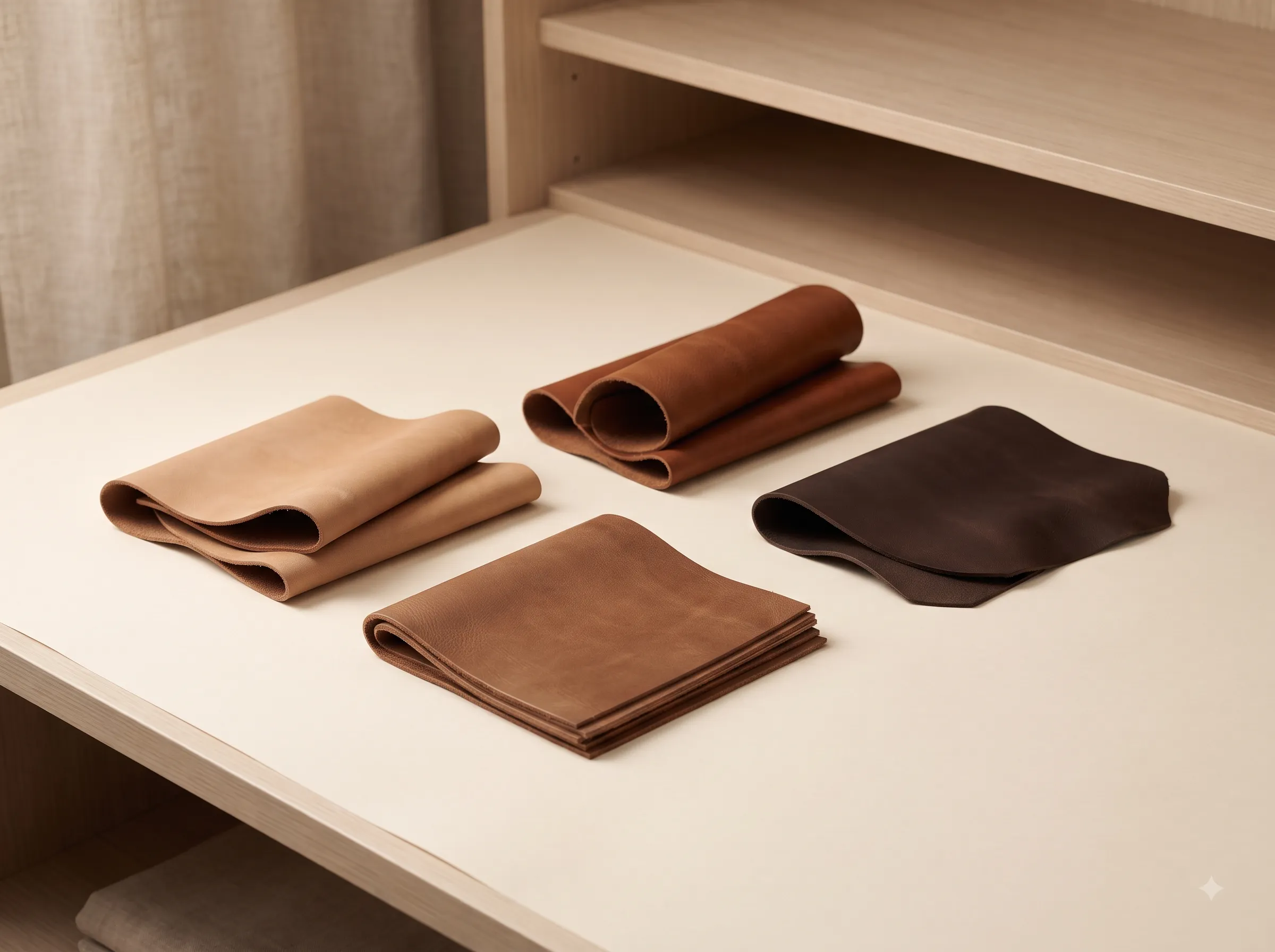
Explore ten widely recognised leather categories and treatments, each with its own texture, character, performance and relationship with time.
These materials are grouped by hide type, tanning method and surface treatment to make their characteristics easier to understand.
Material availability may vary according to the requirements of each commission.

"Soft, lightweight, and incredibly durable."

"Exceptionally strong, rugged, and distinctive."

"Strong, substantial and durable."

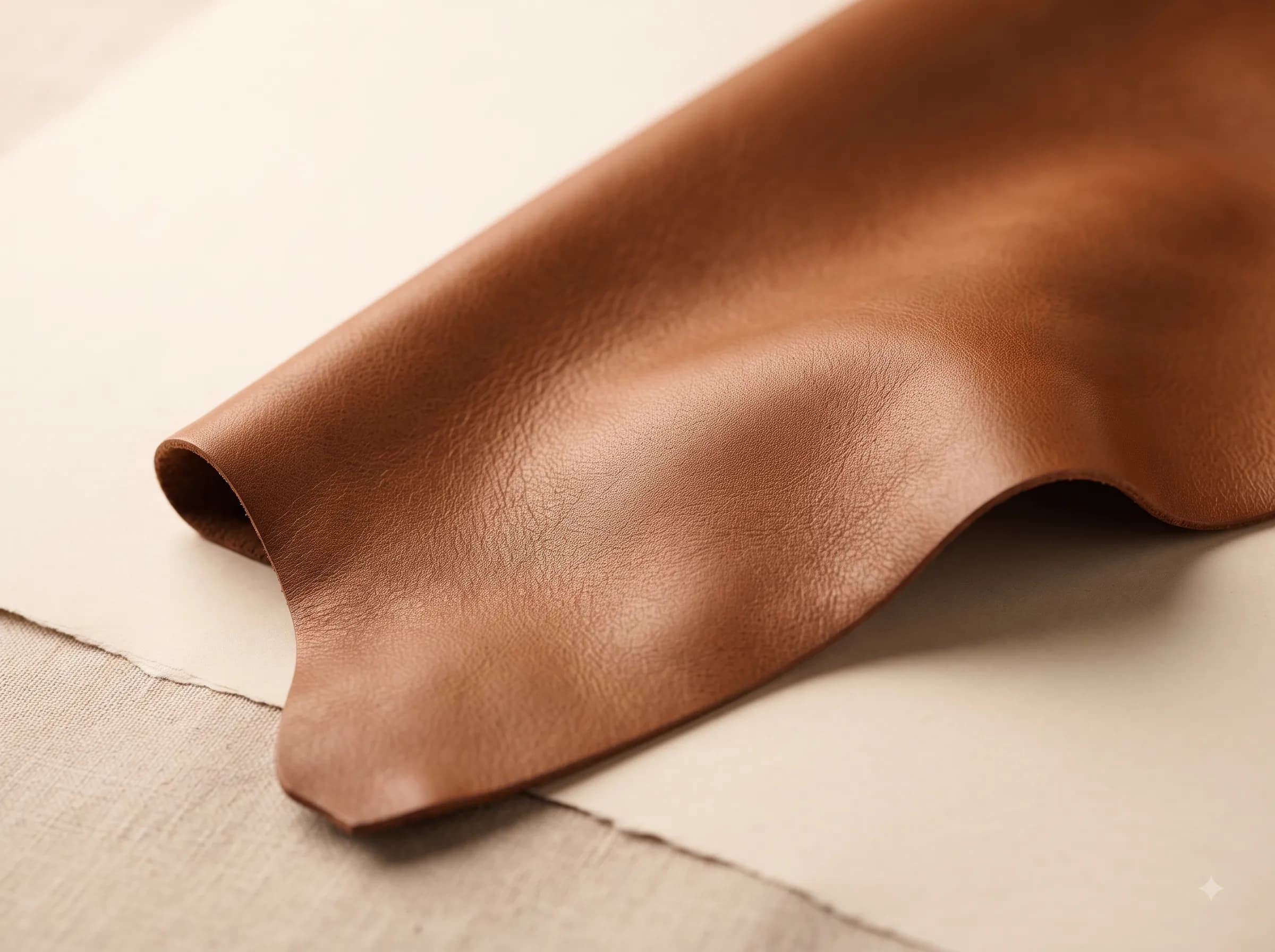
"Soft, lightweight and supple."

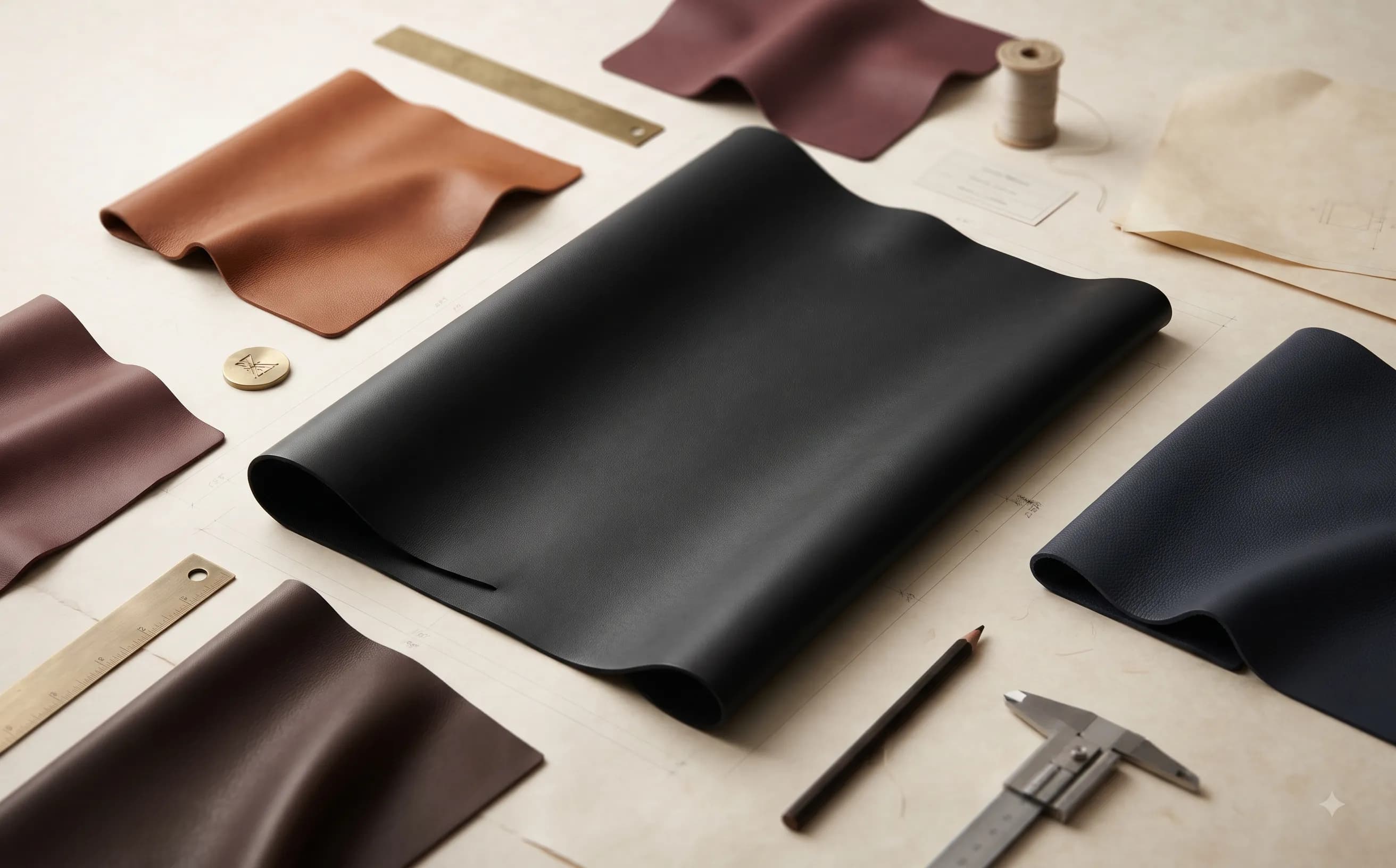
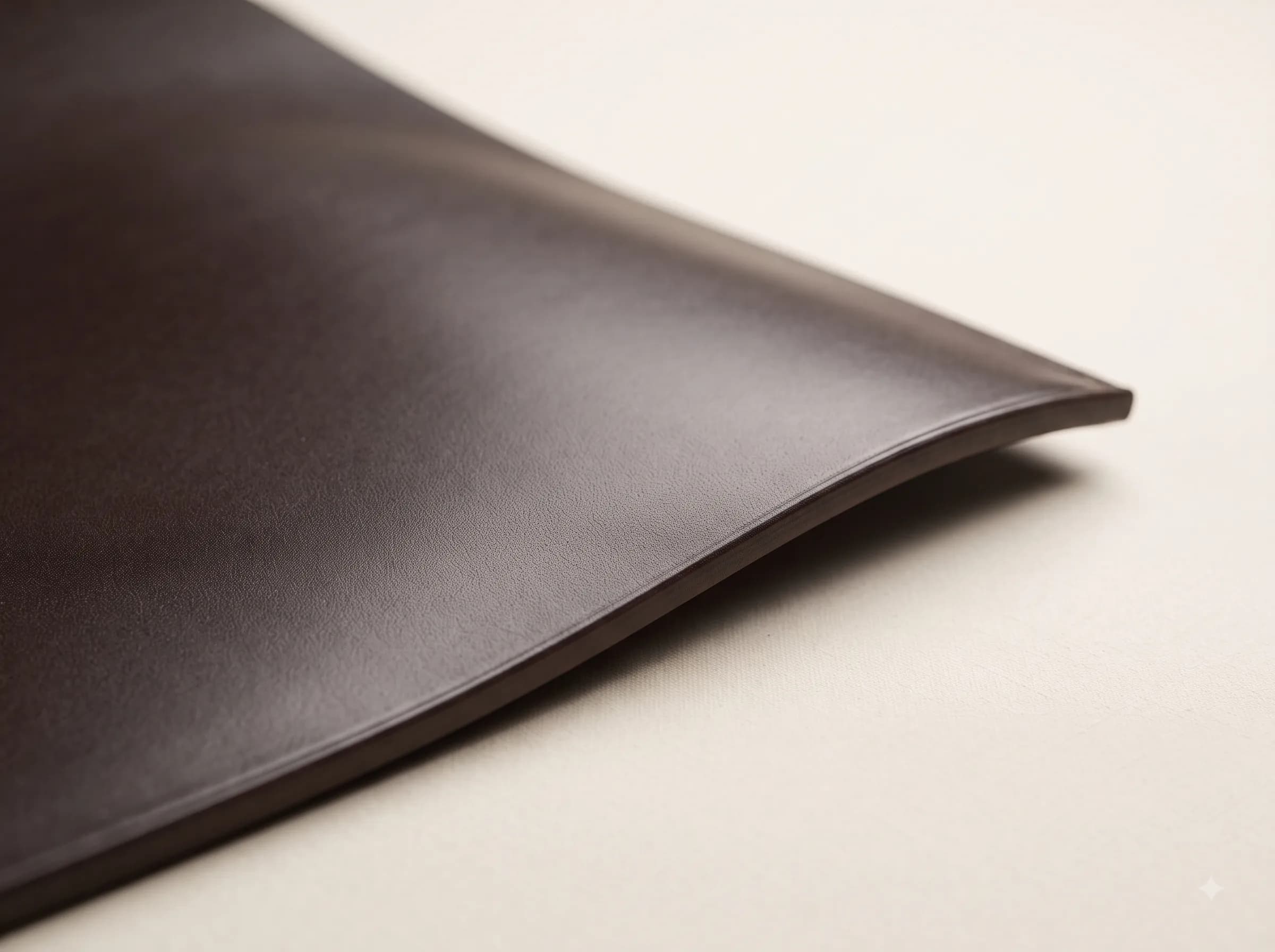
"Fine-grained, smooth and refined."

"Develops character and patina over time."

"Soft, versatile and consistently finished."

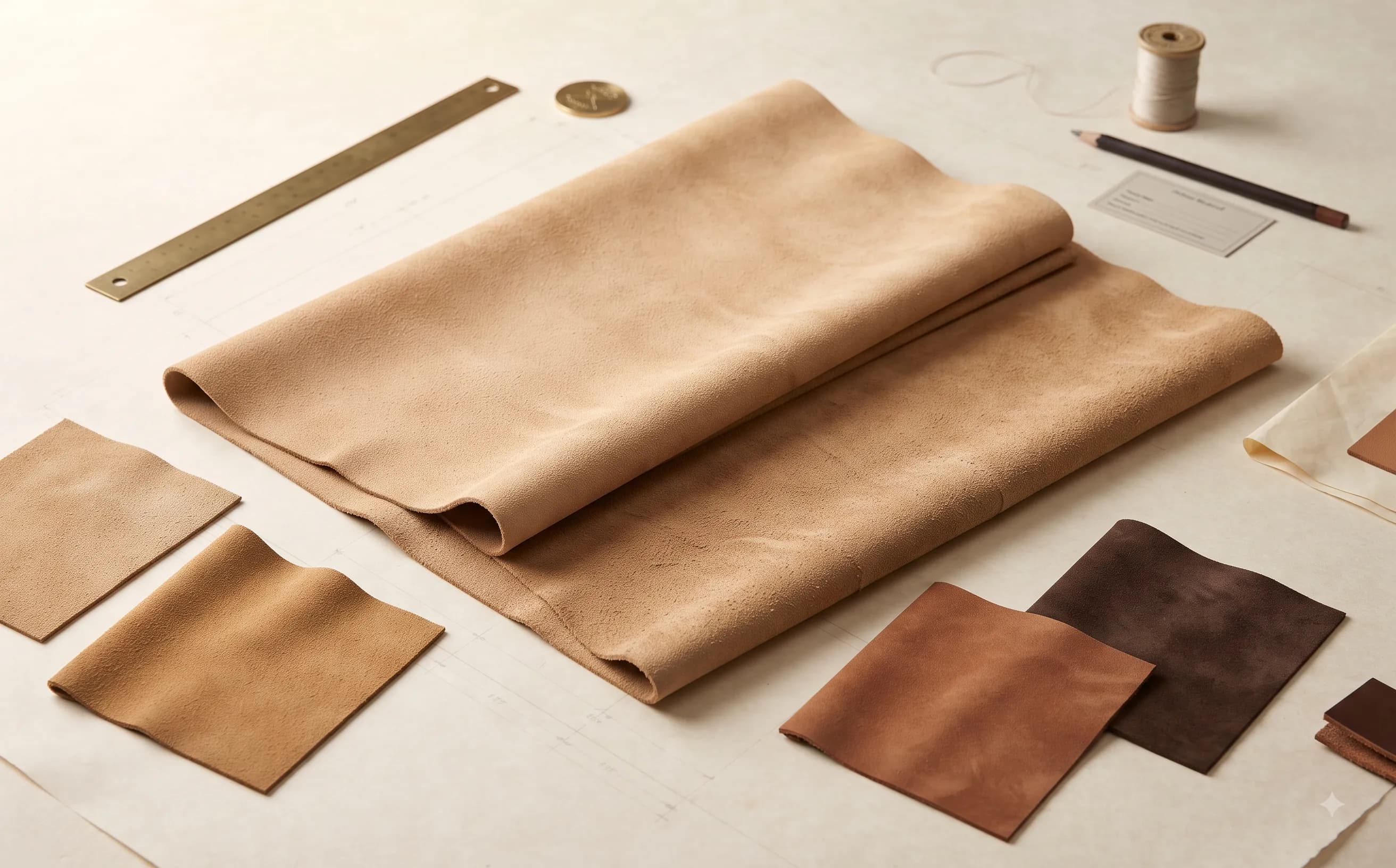
"Soft, brushed and tactile."

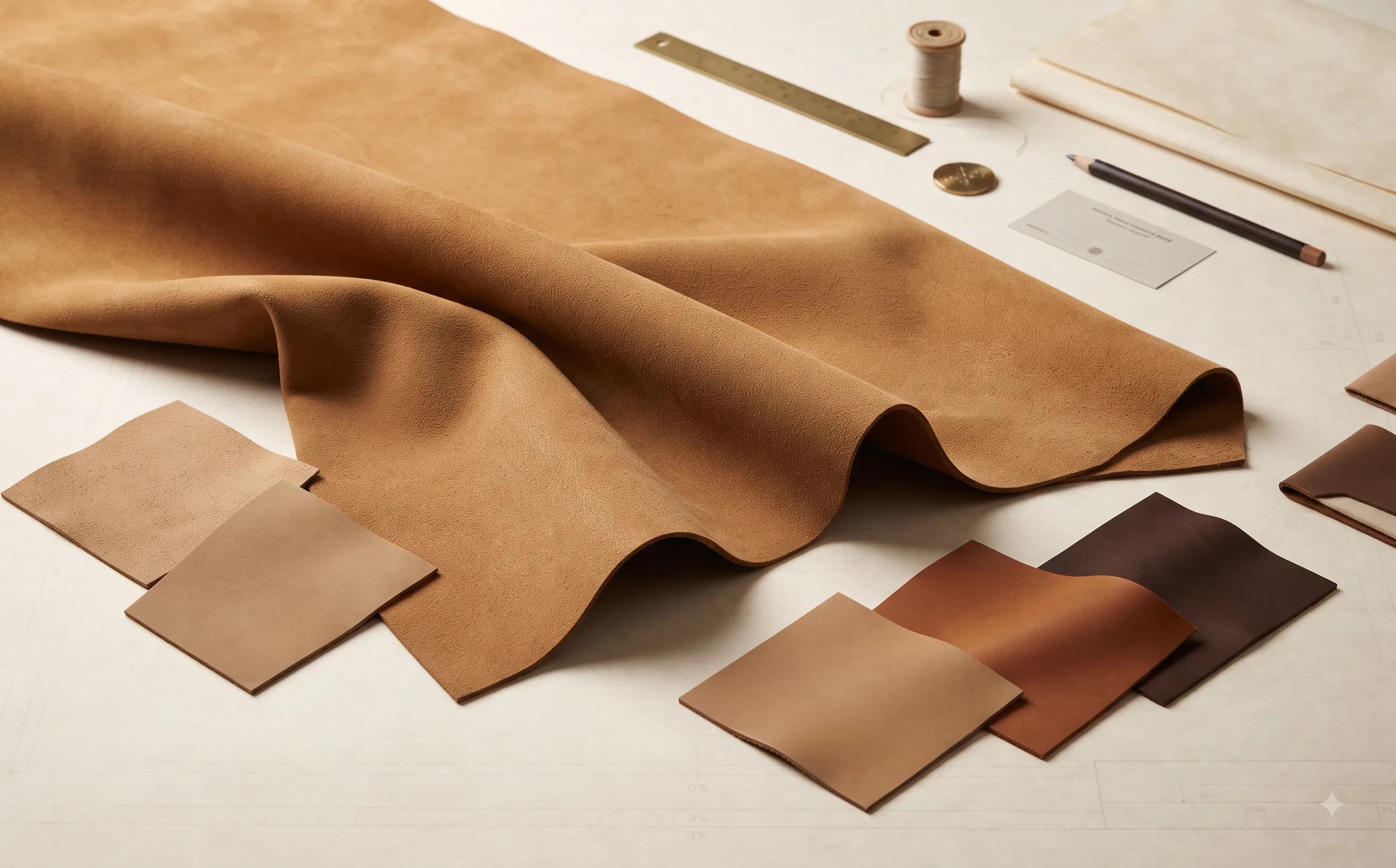
"Fine, velvety and grain-rich."

"Rich, tactile and evolving in appearance."
Material is only the beginning.
From smooth and refined to softly brushed and naturally textured, the surface treatment gives each leather its distinct visual and tactile character.
Clean, controlled and understated.
Visible natural grain and organic surface variation reveal the individual character of the leather.
Pronounced rounded grain creates a distinctive tactile surface with visual depth.

A soft directional surface that changes subtly with light and touch.

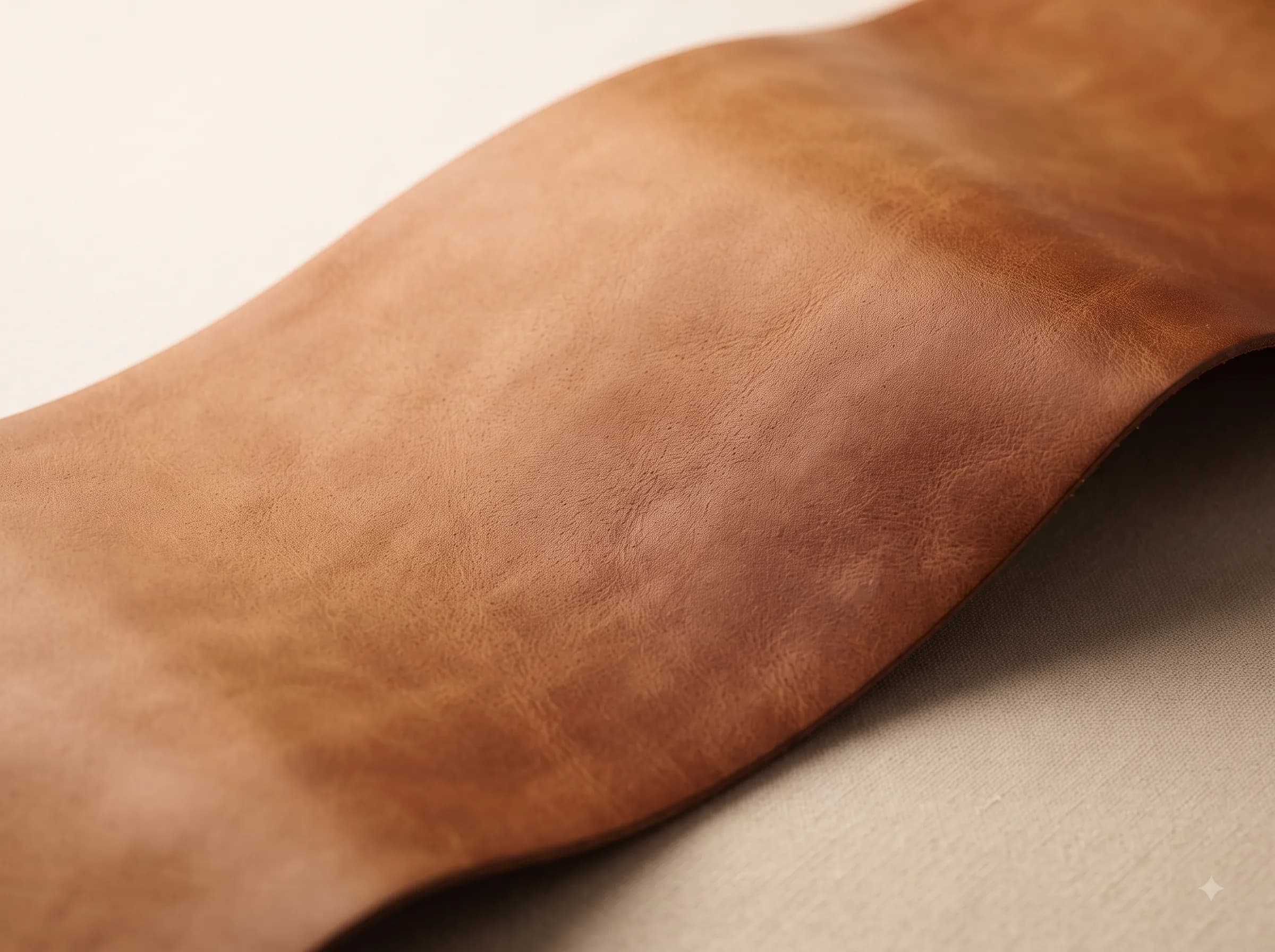
A richer surface where movement and handling can create subtle tonal variation.

"The smallest details often define the character of the whole."
"Texture is not decoration. It is part of the experience."
NEXT: COLOUR & PATINALeather changes with light, touch and time. Its colour can deepen, soften and develop a character that is uniquely its own.

Fresh material with its original colour and surface character.

Light and repeated touch begin to influence the surface.

Use and time gradually deepen colour and visual character.

The material develops a richer, more personal surface shaped by its journey.
A considered palette of tones allows each creation to carry its own mood, depth and expression.


"Light, handling, environment and care all contribute to the way leather develops over time."


"No two pieces age in exactly the same way."
Light, handling, environment and care all influence the way leather develops its character.
NEXTThe smallest details often hold the structure together. Thread, tension and stitch work quietly shape the strength and character of every handmade piece.

Chosen for strength, character and balance, thread becomes part of the construction — not simply a finishing detail.
A stitch is more than a method of joining. Its rhythm, spacing and tension become part of the visual character of the finished piece.

The relationship between spacing, tension and direction gives each stitch line its visual rhythm.
Consistent spacing creates visual rhythm.
Balanced tension contributes to a clean construction.
Stitch direction follows the form of the piece.
Repeated precision creates visual continuity.
Leather provides the form. Thread brings the elements together. The stitch becomes the visible connection between them.


"Good stitching should feel intentional before it is noticed."
In considered leatherwork, construction becomes part of the visual language — precise enough to disappear into the form, distinctive enough to reveal the hand behind it.
NEXT
Hardware becomes part of the construction through its weight, finish, proportion and placement. Each component should support the leather rather than compete with it.
The surface treatment of a fitting can quietly change how it sits beside leather — from warm and traditional to restrained and contemporary.

The relationship between leather and hardware is one of proportion, balance and restraint. Each component should support the material rather than compete with it.


The right fitting should feel almost inevitable — present enough to serve its purpose, restrained enough to preserve the character of the leather.
Proportioned to the leather thickness and intended load.
Substantial enough to perform without weighing down the form.
Positioned where tension and function naturally require reinforcement.
Harmonizing visually with the stitch rhythm and edge finish.

The best hardware does not overpower the leather. It becomes part of the form — functional, balanced and quietly distinctive.
Every leather behaves differently. Grain, weight, softness, finish and character all influence how a material feels and presents itself. The right choice begins with understanding what the piece is meant to become.

The intended form provides the first consideration. Different creations call for different relationships between material, structure, handling and character.

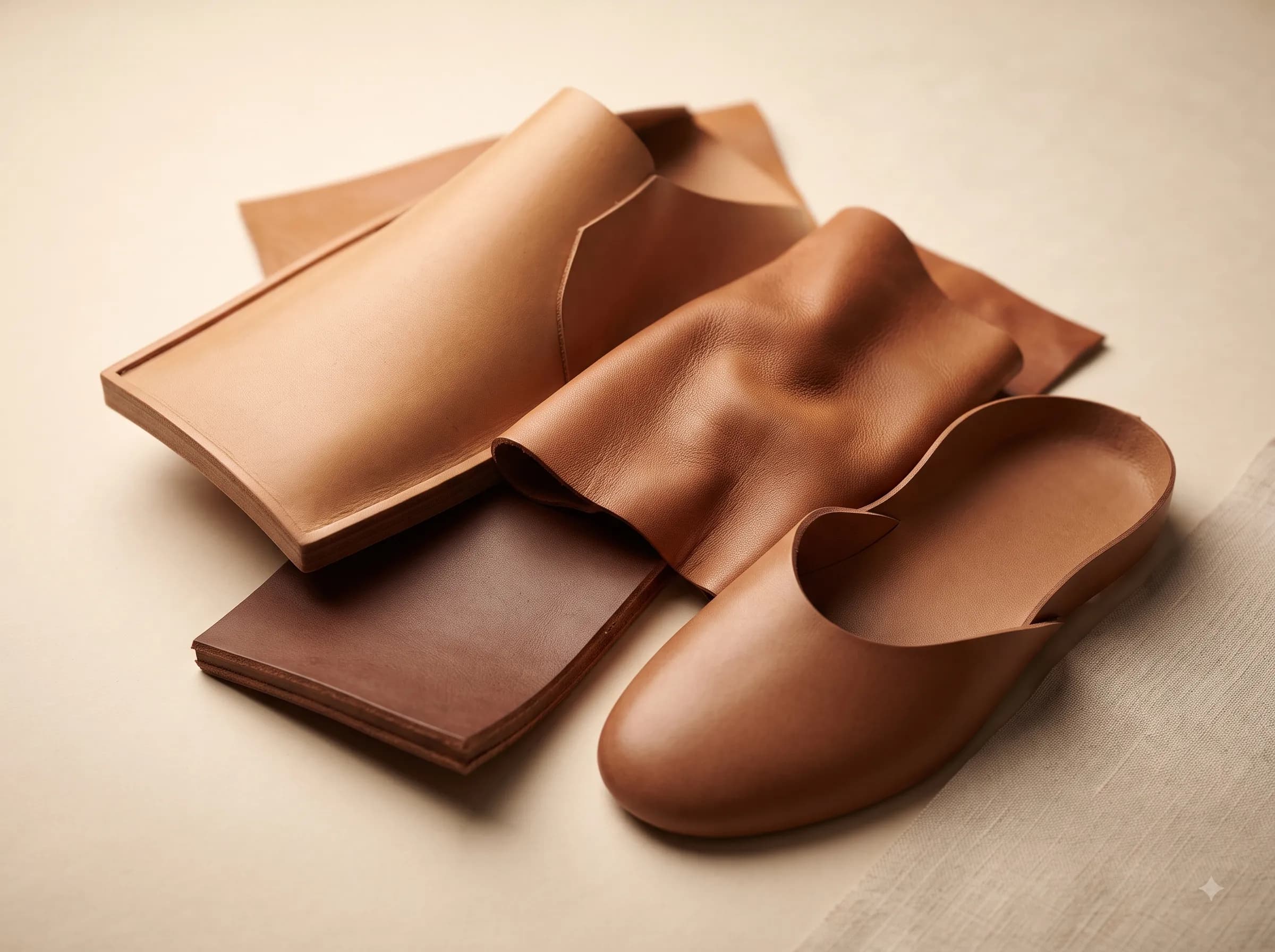
Choosing leather for footwear revolves around structure, comfort and visual character.

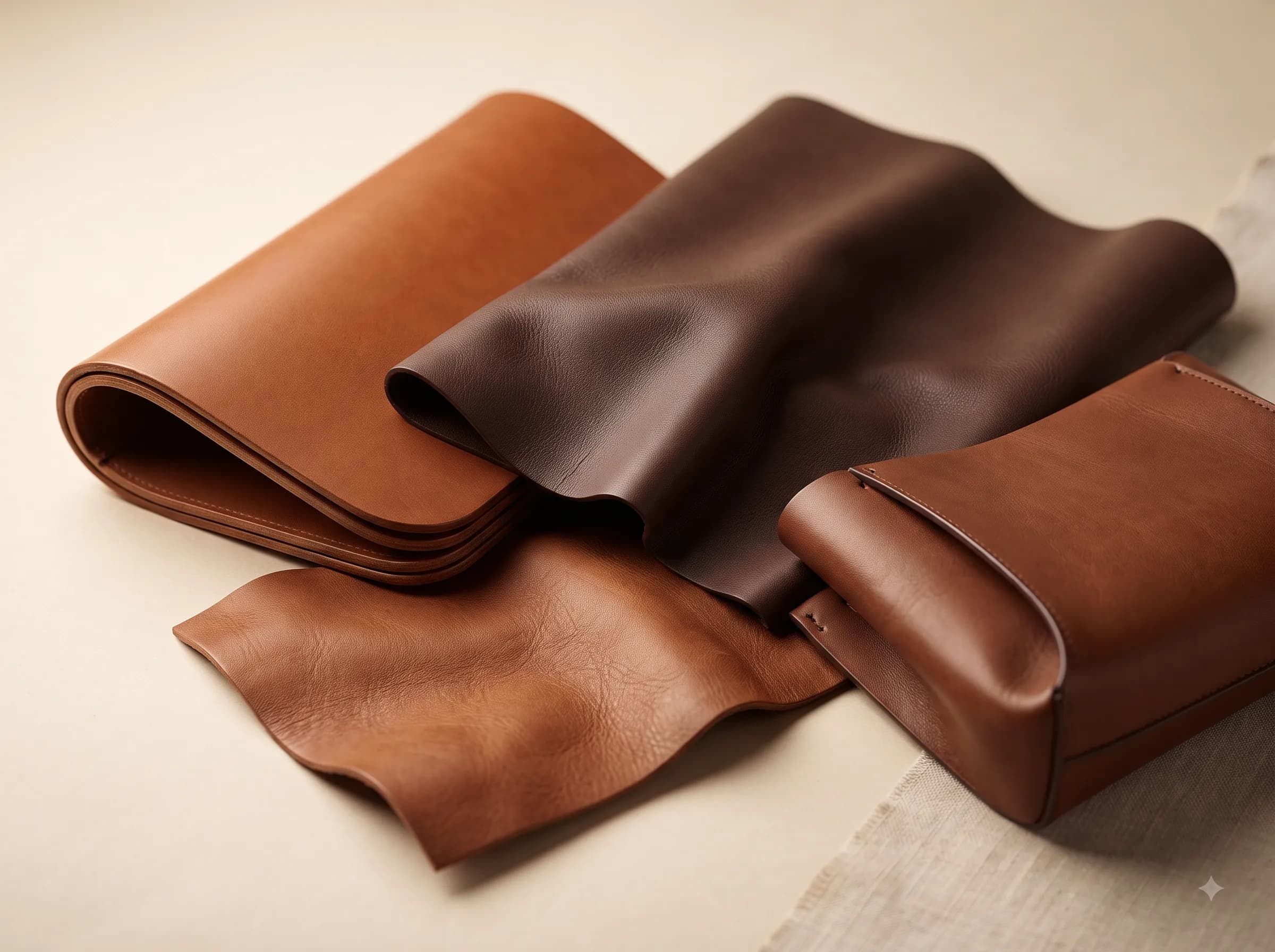
Choosing leather for bags requires considering material weight, structure, handling and surface character.

Smaller forms allow material, colour and detail to become more prominent.

Material can be considered around the individual design and intended character.
Beyond purpose, material brings a particular tactile and visual character to the finished piece.


Colour may be the first thing we notice, but material character is shaped by much more than appearance.
The surface structure influences how the leather looks and feels.
Material thickness and substance contribute to the character of the finished piece.
Different leathers can offer different levels of flexibility and tactile response.
Surface treatment influences appearance, texture and visual character.
Tone creates mood, depth and visual identity.
Some materials evolve visibly through light, handling and time.
The most suitable material is not always the one that first catches the eye. Its weight, surface, character and ability to evolve should all belong to the design.
Leather responds to how it is handled, stored and cared for. Thoughtful care helps preserve its surface, character and natural development over time.

Leather responds to regular handling and contact. Clean hands and considered use help keep the surface in its natural condition.

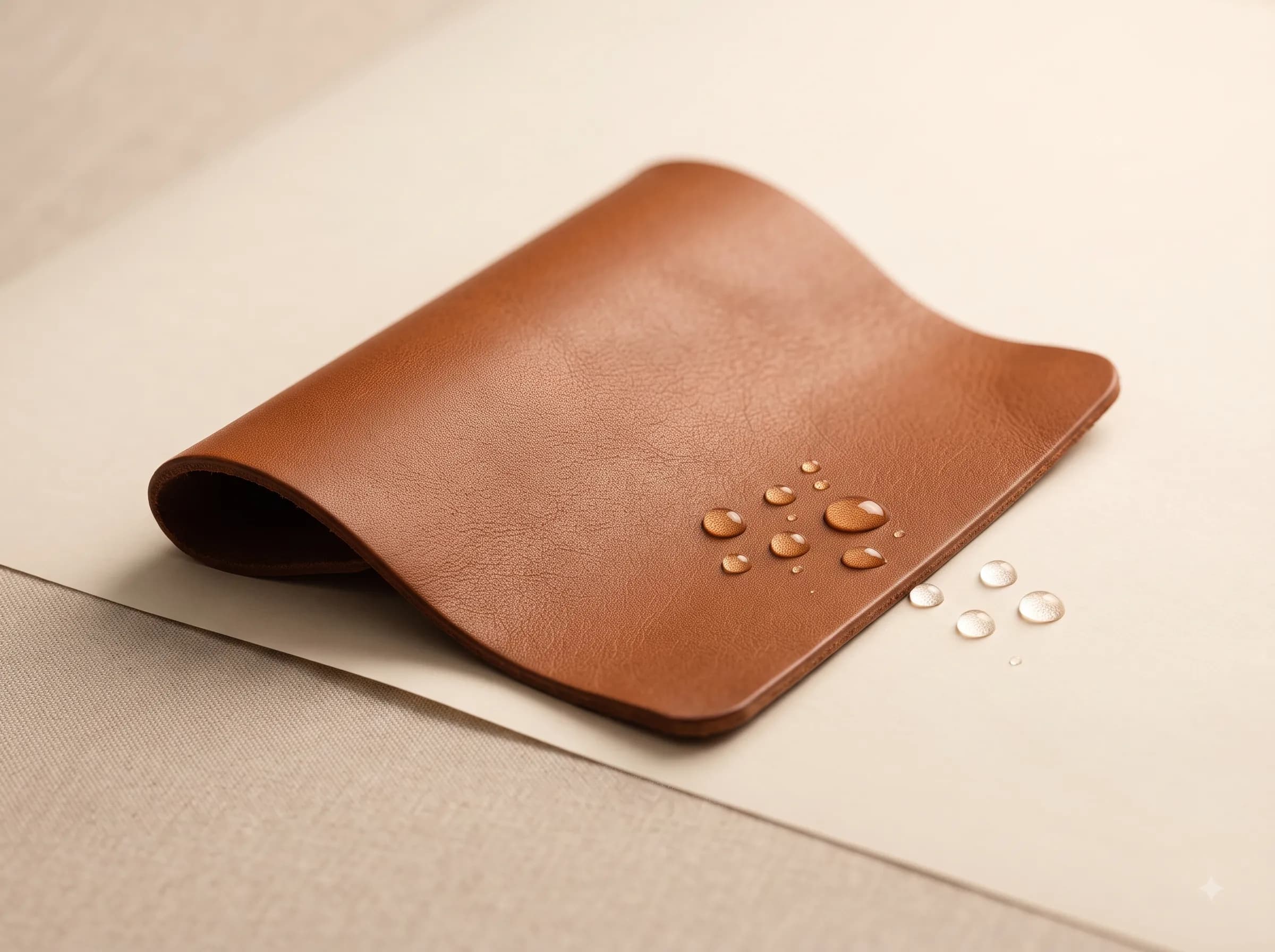
Avoid unnecessary exposure to water and prolonged damp conditions. If leather becomes wet, allow it to dry naturally away from direct heat.

Store leather pieces in a clean, dry environment away from excessive heat, humidity and prolonged direct sunlight.

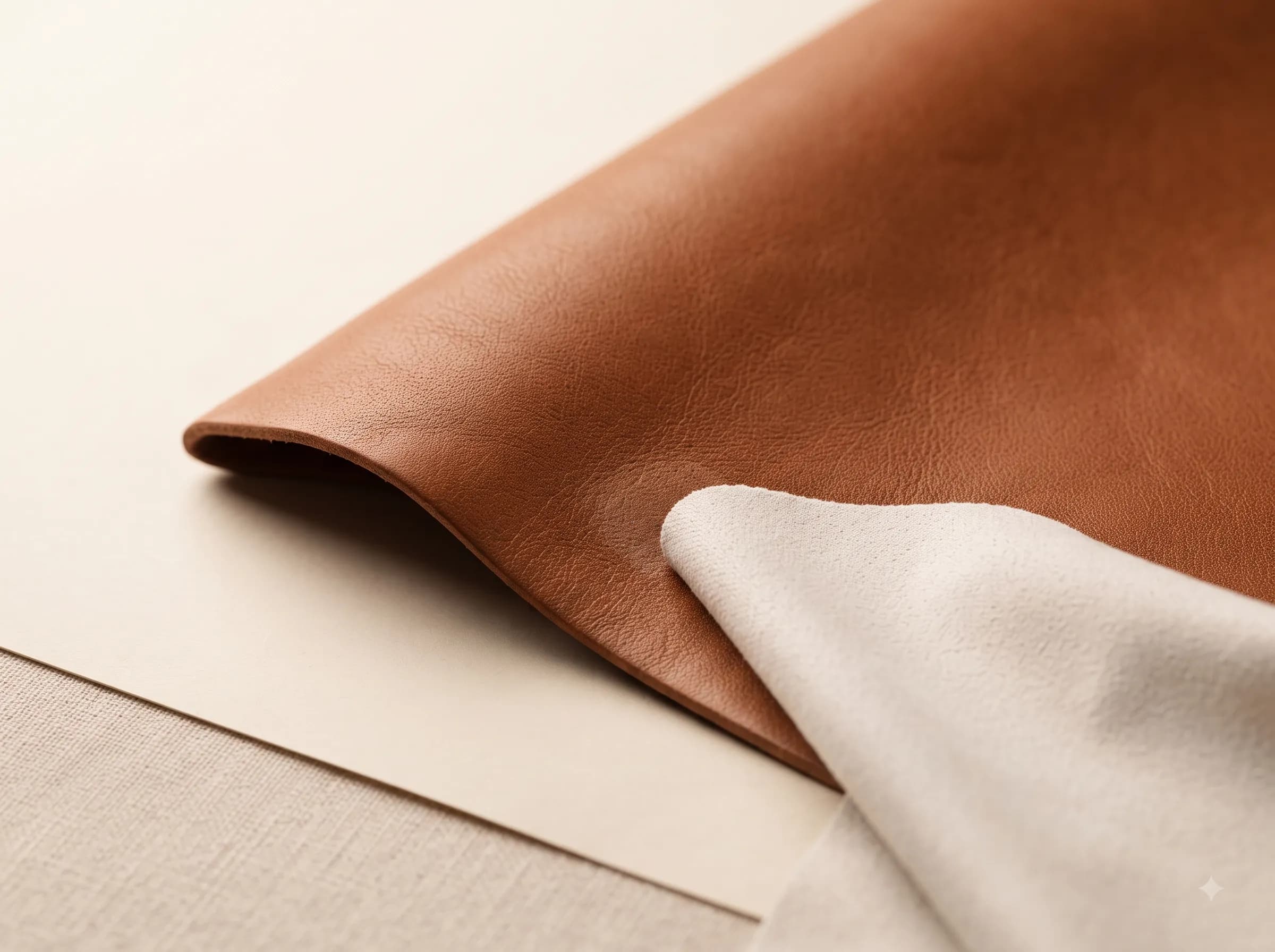
Surface dust and light marks should be addressed with gentle handling and materials appropriate to the specific leather finish.

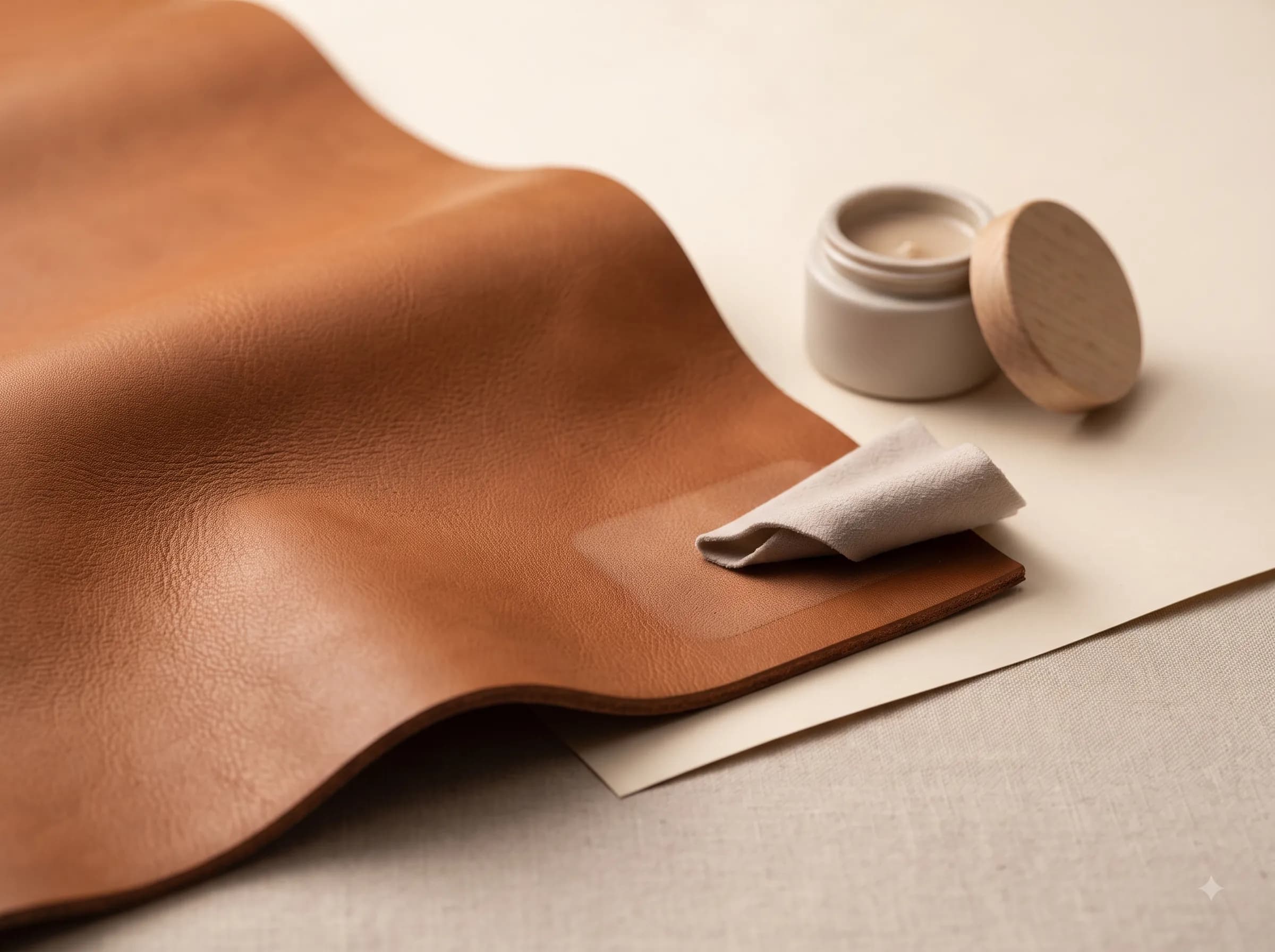
Different leather finishes respond differently to conditioning. Any care product should be suitable for the specific material and tested carefully before wider application.

Light, handling and time can gradually influence leather's colour and surface character. Care is not about stopping change — it is about allowing it to happen thoughtfully.
Leather is meant to develop character. Good care protects the material while allowing its natural surface, colour and patina to evolve.
Care is not about keeping leather unchanged. It is about helping it age with intention.
Leather is a natural material, and its behaviour depends on its grain, finish, construction and use. A few considered questions can make choosing the right material much easier.
Understanding the material is the first step.
From there, the choice becomes personal.